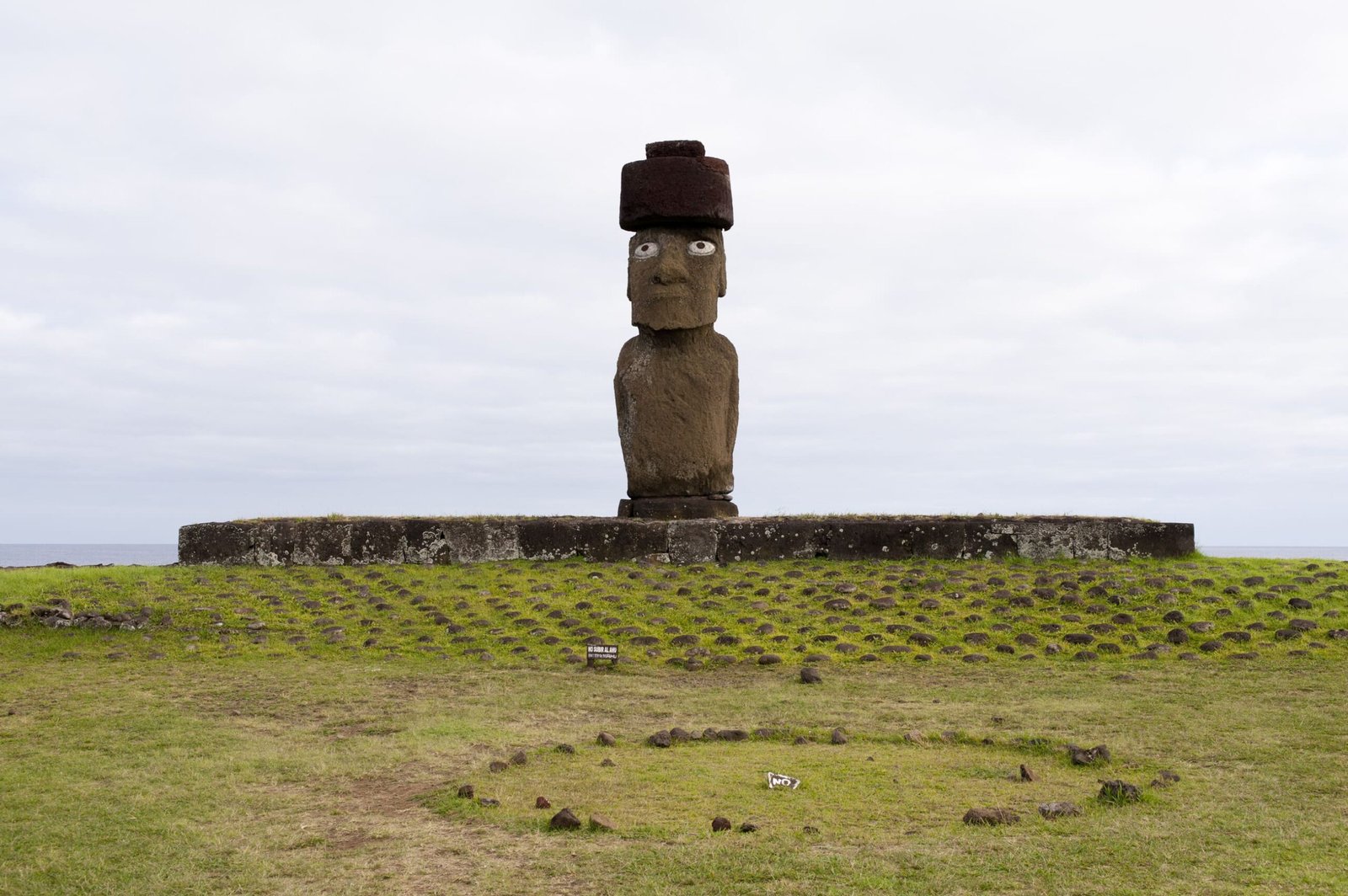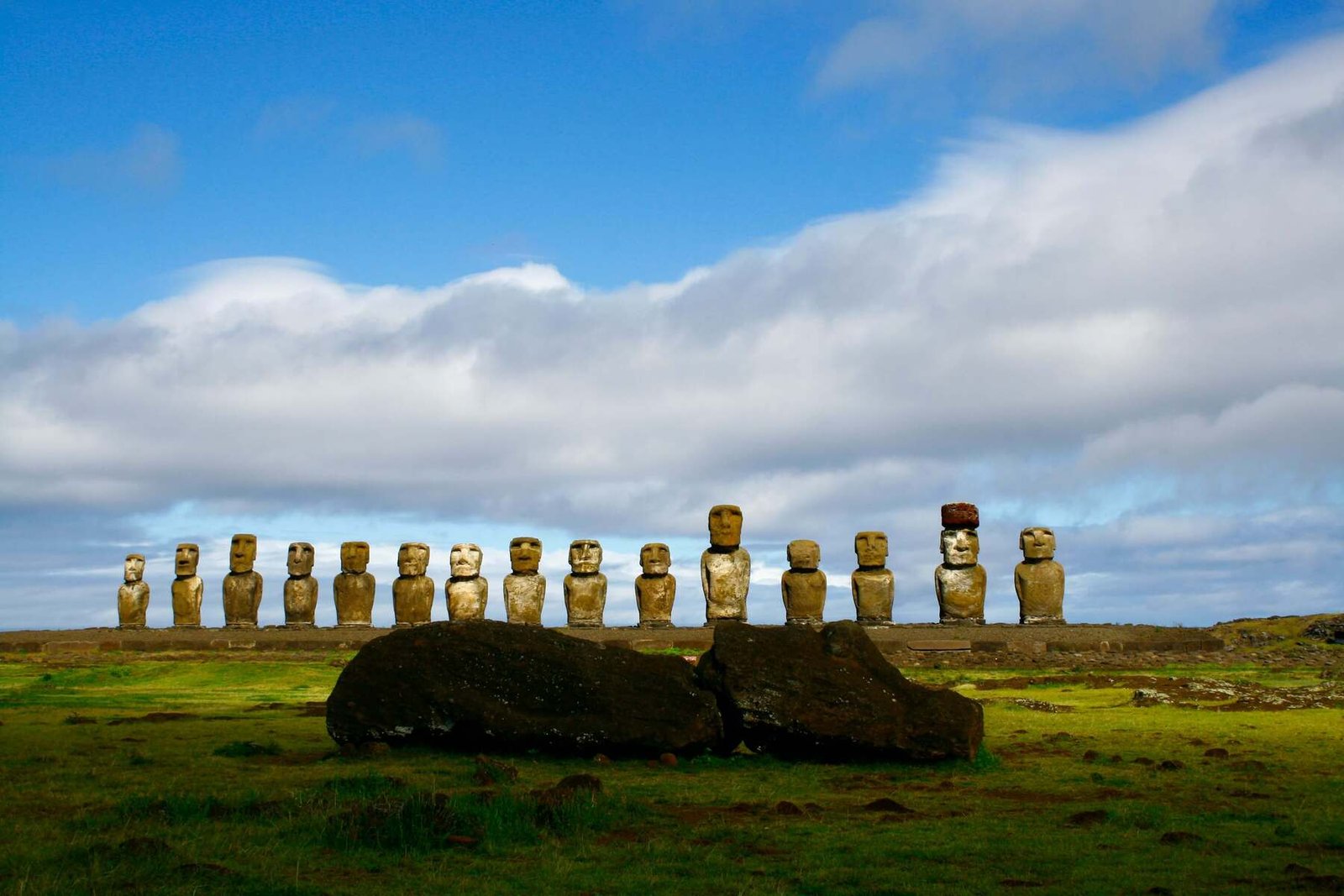
Living in Rapa Nui was never easy. Thousands of kilometers from the nearest continent, without the possibility of frequent exchange with other peoples, the ancient inhabitants of the island developed an extraordinary capacity for adaptation. Their survival depended on ingenuity, observation of the environment and a deep connection with nature.
Knowing how the Rapa Nui survived on such an isolated island allows us to understand why their culture is considered one of the most fascinating in the world.
A small territory with limited resources
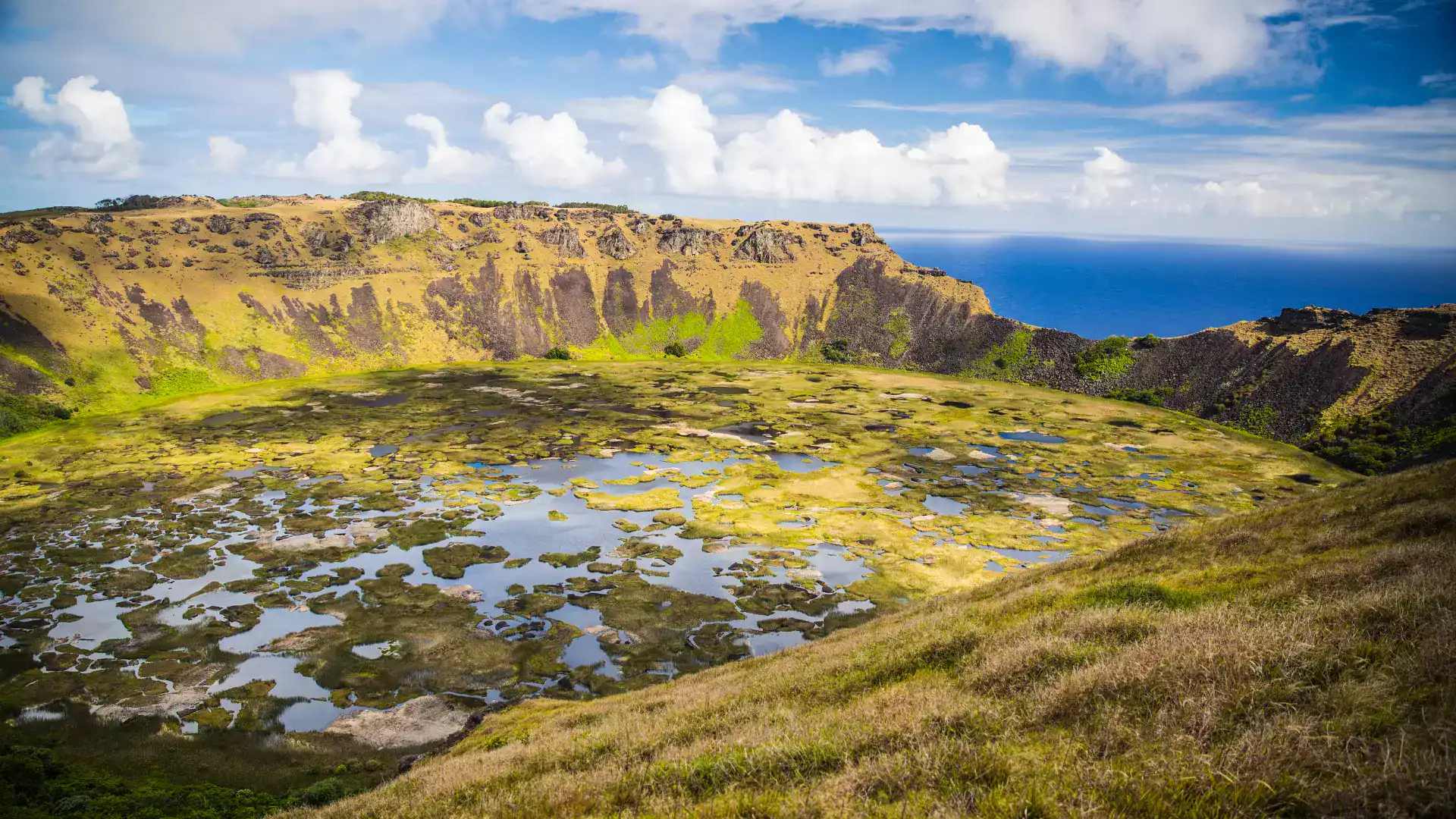
Rapa Nui is an island of volcanic origin, without rivers or large fresh water sources. This forced its inhabitants to take advantage of every available resource with extreme care.
The main challenges were:
- Total geographic isolation
- Volcanic soils and changing climate
- Shortage of surface water
- Finite natural resources
Far from being an obstacle, these conditions drove creative and sustainable solutions.
Agriculture adapted to the volcanic environment
To produce food in a complex soil, the Rapa Nui developed highly efficient agricultural techniques.
Some key strategies were:
- Protected cultivation between volcanic rocks
- Use of circular gardens to conserve humidity
- Exploitation of the microclimate generated by the rock
- Crop rotation to avoid soil depletion
Thanks to these practices, they were able to cultivate sweet potato, taro, bananas and other species essential to their diet.
The sea as the main source of life
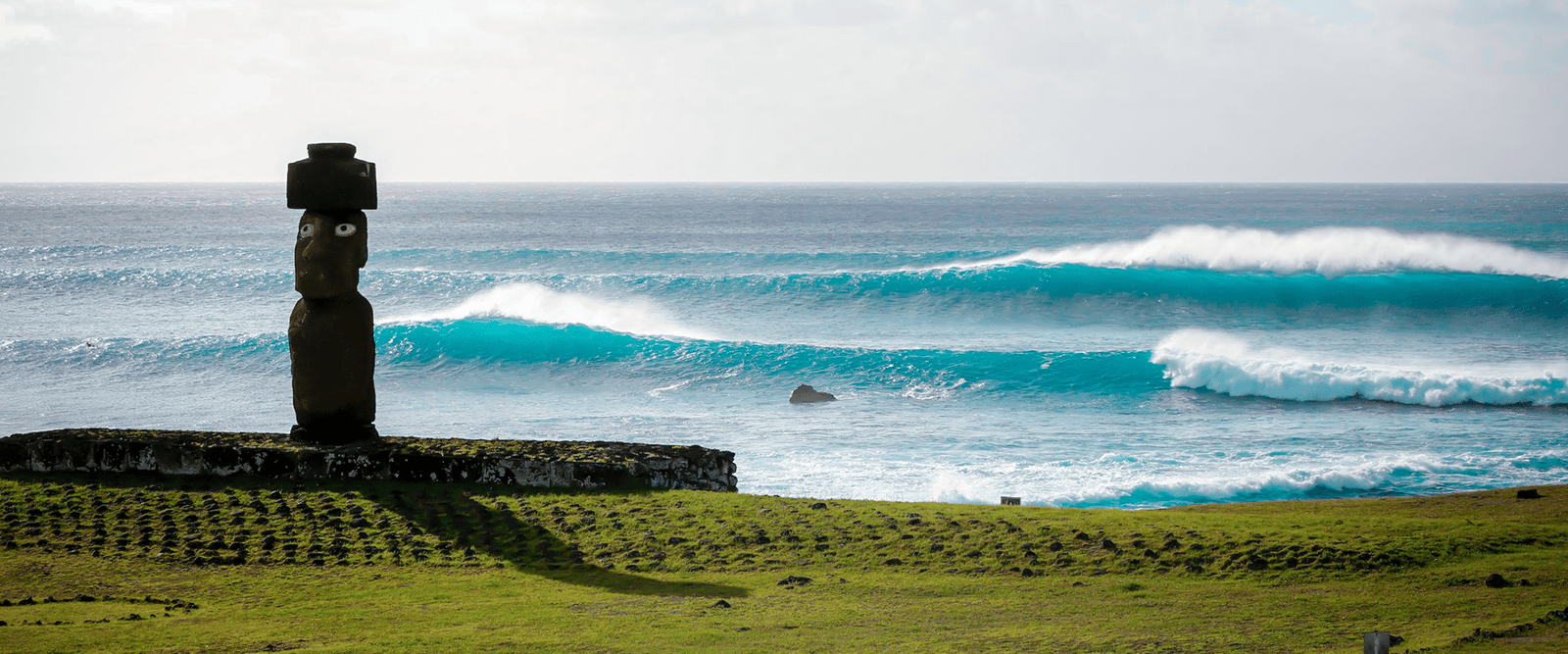
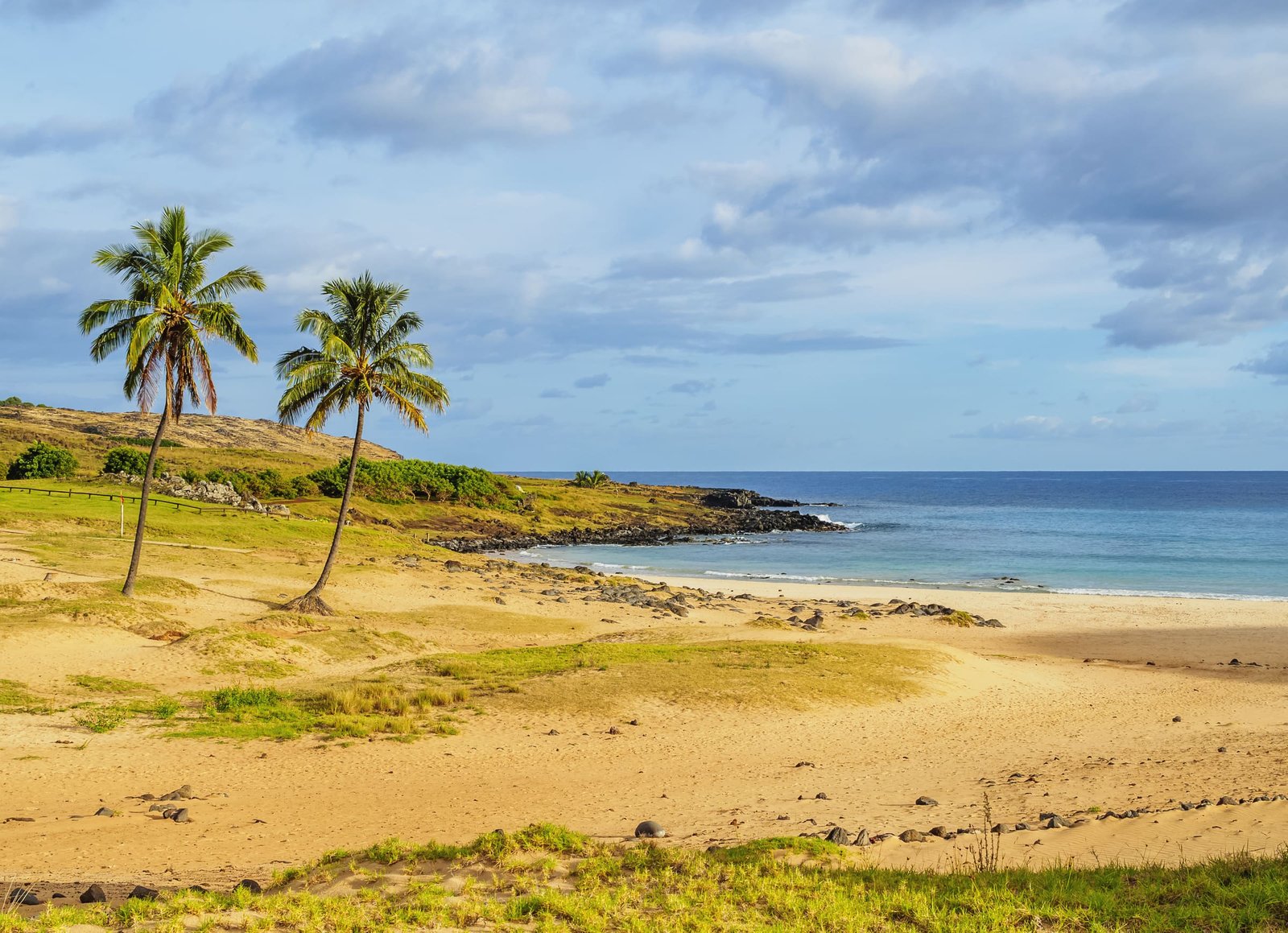
The ocean was a fundamental piece for survival.
The sea contributed:
- Fish and seafood
- Tools made from bones and shells
- Navigation and orientation routes
- A deep symbolic and spiritual value
Artisanal fishing was carried out with knowledge passed down from generation to generation, respecting natural cycles.
Intelligent use of caves and natural spaces
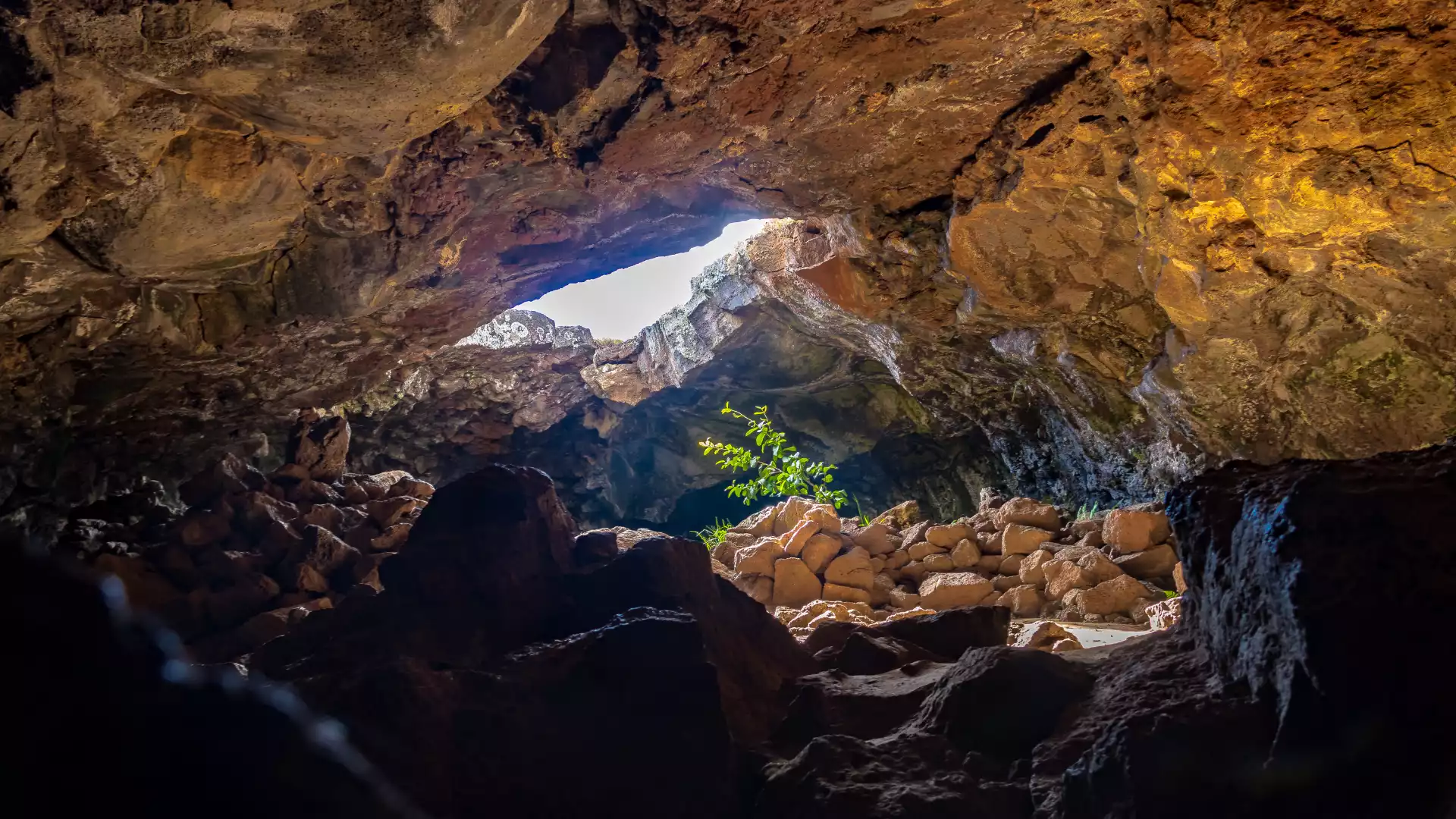
Volcanic caves were not only geological formations, but also key spaces for daily life.
They were used as:
- Shelter from the weather
- Food storage
- Condensation water sources
- Shelter spaces in difficult times
This strategic use of the territory made it possible to optimize every corner of the island.
Community and cooperation as a basis for survival
Surviving in isolation was not an individual effort, but a collective one.
Community life allowed:
- Sharing food and resources
- Organize agricultural and fishing work
- Transferring knowledge and techniques
- Maintaining social balance
Cooperation was one of the greatest strengths of the Rapa Nui people.
Spirituality and balance with nature
Survival was also linked to a spiritual worldview.
Believed in:
- Respect for ancestors
- The importance of natural balance
- The presence of forces that guided everyday life
This worldview helped regulate the use of resources and maintain a respectful relationship with the environment.
A lesson in adaptation that is still relevant today
The story of how the Rapa Nui survived on such an isolated island is, at its core, a lesson in adaptation, resilience and respect for nature. Their ability to live in balance with a demanding environment remains a source of admiration to this day.
If you are planning your visit and you want to connect with this history from a quiet place, we invite you to visit our rooms roomsdesigned to rest and explore the island calmly.
If you have any questions before traveling, you can contact us at or follow us on Instagram to discover more stories and corners of Rapa Nui.