Discover the moai Paro, the imposing statue of Easter Island, known for being the largest moai ever erected on an ahu. Explore its history, characteristics and the place it occupies in the Rapa Nui culture.
Moai Paro: A stone colossus
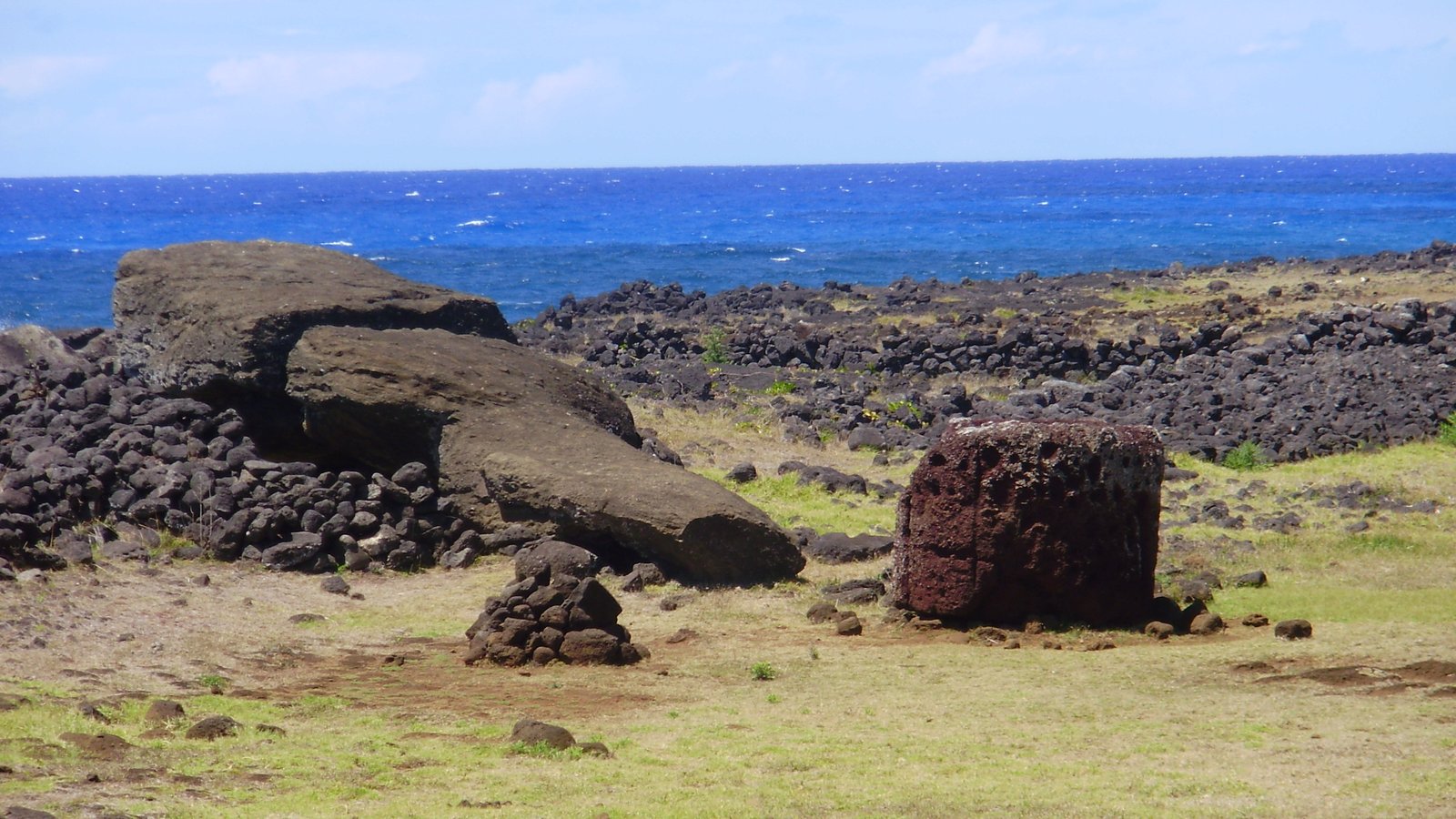
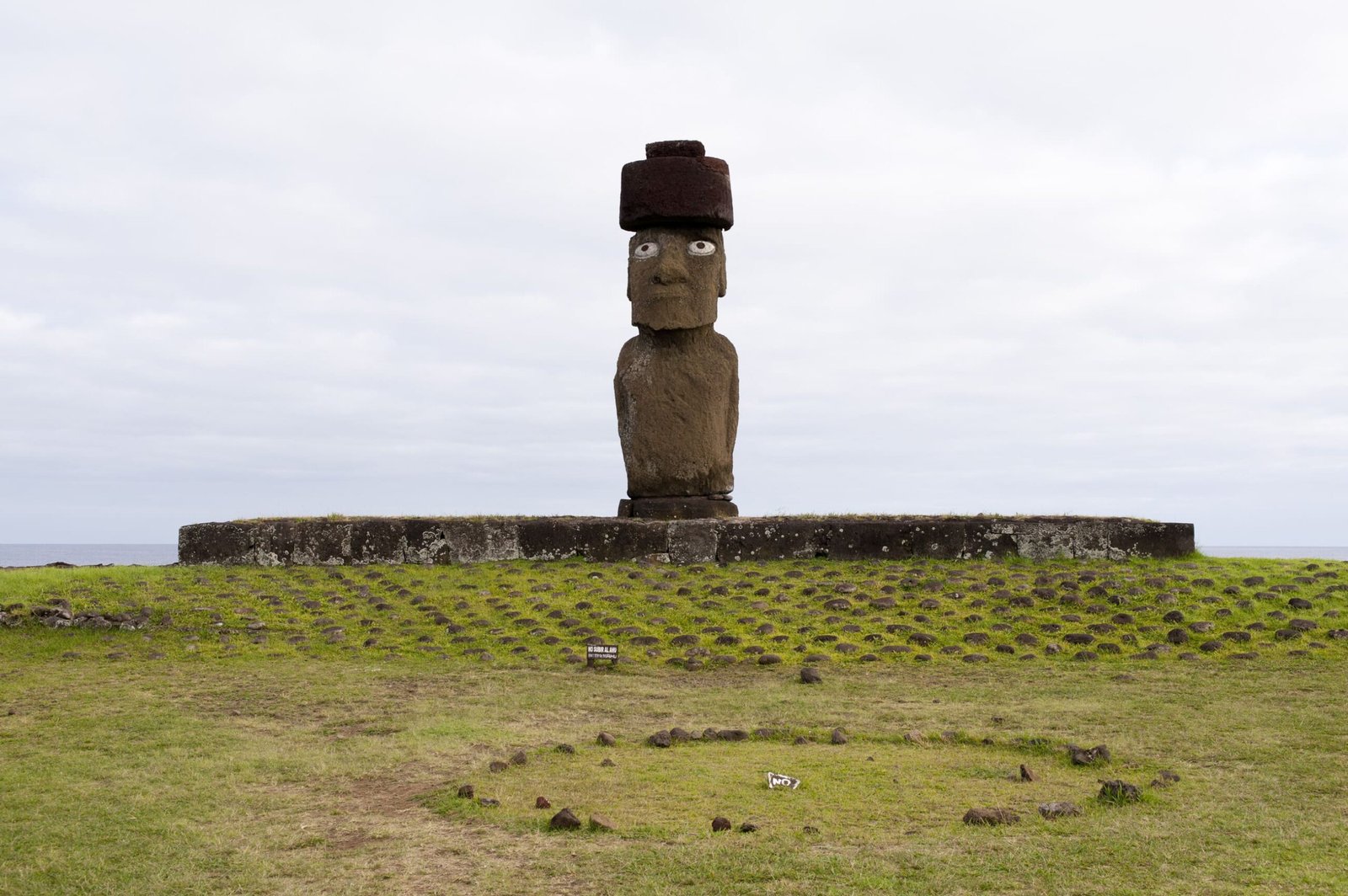
Ahu Te Pito Kura, an archaeological complex facing the Bay of La Pérouse, houses the impressive Paro moai, a fallen statue that still evokes admiration. Toppled almost two centuries ago, this moai was the largest ever successfully erected, measuring nearly 10 meters and weighing approximately 80 tons. A few steps from Ovahe beach, this site offers not only history, but also spectacular views.
Demystifying the size of Moai Paro
Although Paro is recognized for its magnitude, it is not the largest moai on the island. That title belongs to Te Tokanga, known as “the giant”, located in the Rano Raraku quarry and unextracted, with 22 meters long. Piro Piro and the moai of the Ahu Hanga Tetenga also surpass Paro in size, although the latter is still the largest one transported to an ahu and successfully erected.
Proximity matters: Location and size
The larger moai, such as Paro, are located closer to the Rano Raraku quarry, reflecting the logic that the greater the distance, the greater the difficulty of transportation. This observation underlines the ingenuity and effort of the ancient inhabitants of Rapa Nui, who achieved such feats without external help, denying theories of extraterrestrial intervention.
Tips for visiting this stony giant
Visiting the Paro moai is an enriching experience that can be enjoyed through organized tours or independently. It is essential to purchase a Rapa Nui National Park ticket, which allows access to various archaeological sites. We recommend arriving by vehicle due to the distance from Hanga Roa and always follow the marked trails to protect the site.
You can reach the Paro moai from Hanga Roa along the road to Anakena, turning at the junction towards Poike. Alternatively, the road along the southern coast offers breathtaking views and passes other important archaeological sites. For the adventurous, renting a bicycle offers a delightful and active way to explore the coastal route.
Nearby places of interest
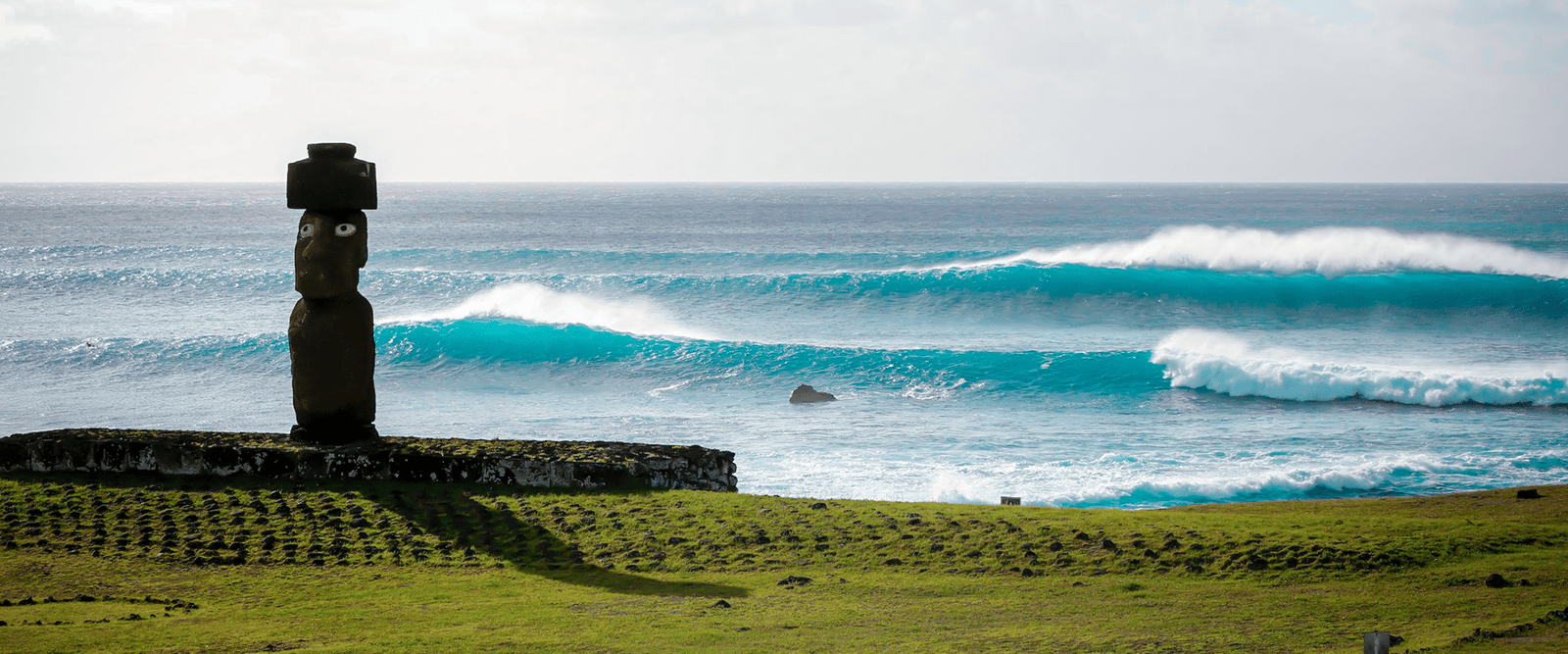
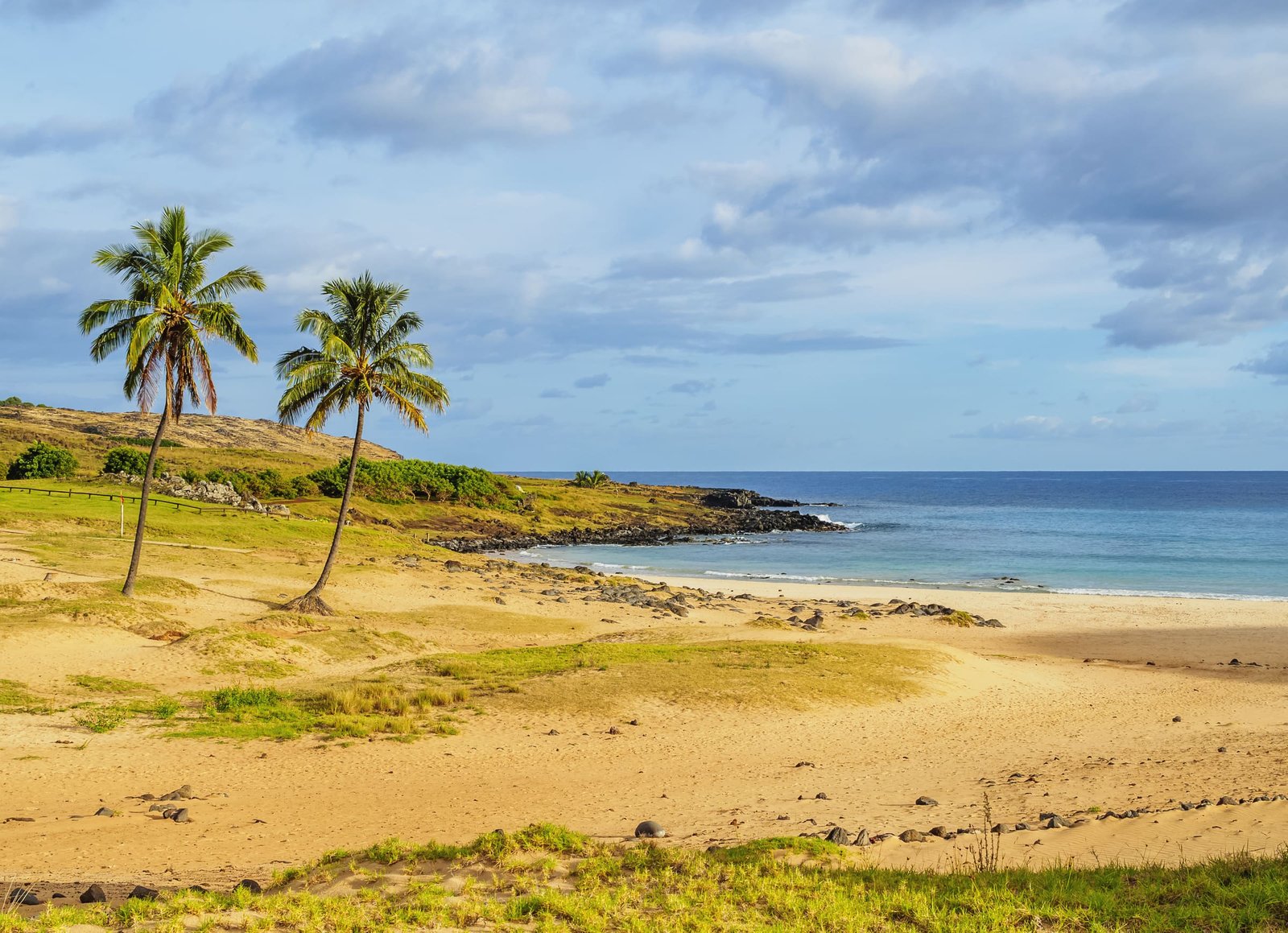
In addition to the Paro moai, the region is home to other significant sites such as the Ahu Tongariki, the Ahu Te Pito Kura and Anakena beach, famous for its white sands and crystal clear waters. Each of these sites shares the rich history and natural beauty of Easter Island, making each stop a valuable part of the Rapa Nui experience.
Check out our tours for more destinations and information!
The Paro moai is not only a witness to the ancient history of Easter Island, but also a reminder of the skill and determination of its ancient inhabitants. Visiting this colossus offers a unique perspective on the culture and engineering of Rapa Nui, which continues to fascinate visitors from all over the world.
If you are planning to visit the island do not hesitate to contact us. contact us and follow usand follow us on our social networks!