The Rapa Nui people, the native inhabitants of Easter Island, have a fascinating history and culture that have stood the test of time and adversity. In this blog, we will explore where this unique corner of the world is located and how its inhabitants live on one of the most enigmatic islands on the planet.
Geographic location of Rapa Nui
Rapa Nui, known globally as Easter Island, is located in the Pacific Ocean, more than 3,500 kilometers off the Chilean coast. Its geographic isolation not only makes it one of the most remote islands in the world, but also a special place that has preserved a distinctive ecosystem and culture. The island, with its subtropical climate and volcanic landscapes, extends over 163 km², and is home to incomparable natural and archaeological wonders.
History of the Rapa Nui people
The history of the Rapa Nui people is a tale of migration, adaptation and creativity. It is estimated that the first inhabitants arrived from Polynesia around 800 AD, sailing thousands of kilometers in star-powered canoes. Once established, they developed a complex and self-sufficient society, with hierarchical structures led by an ariki (king).
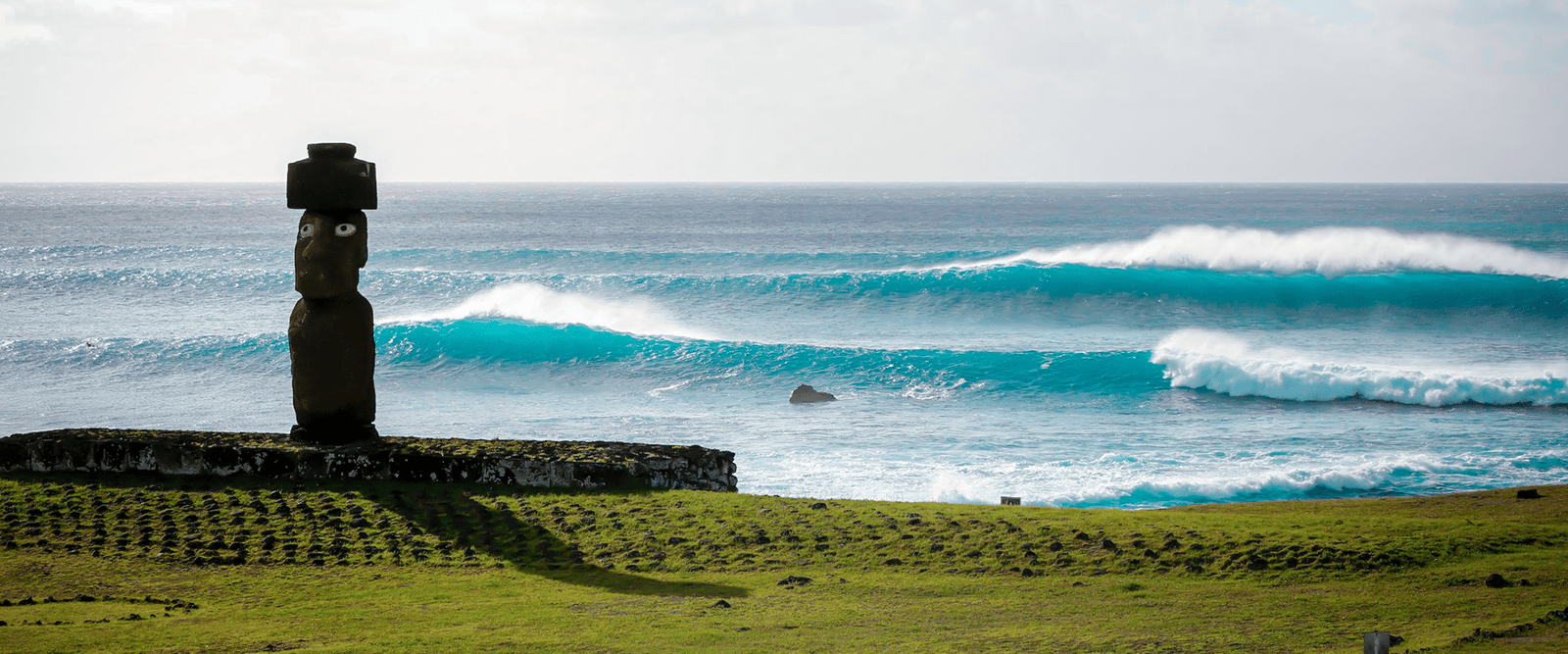
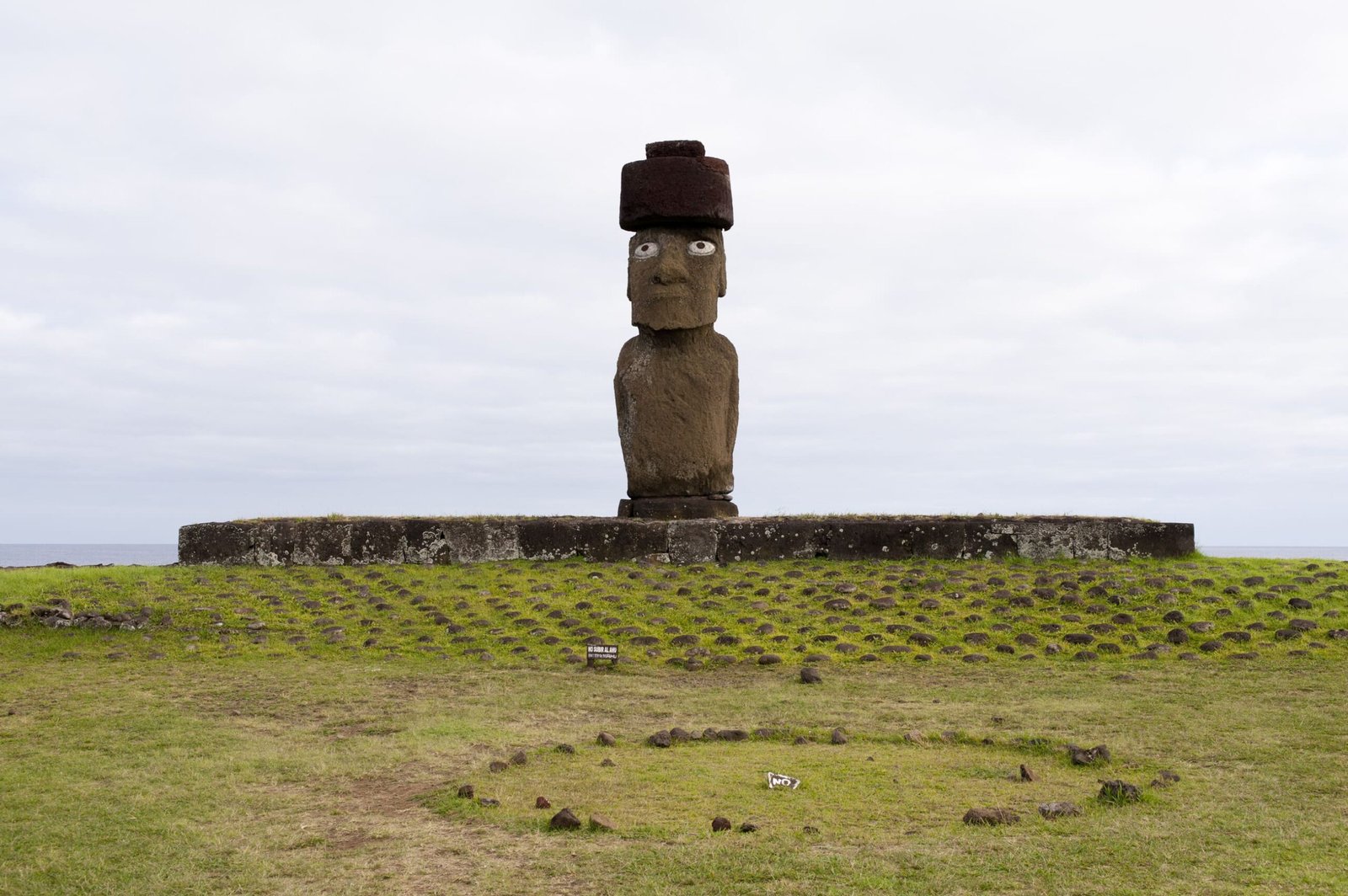
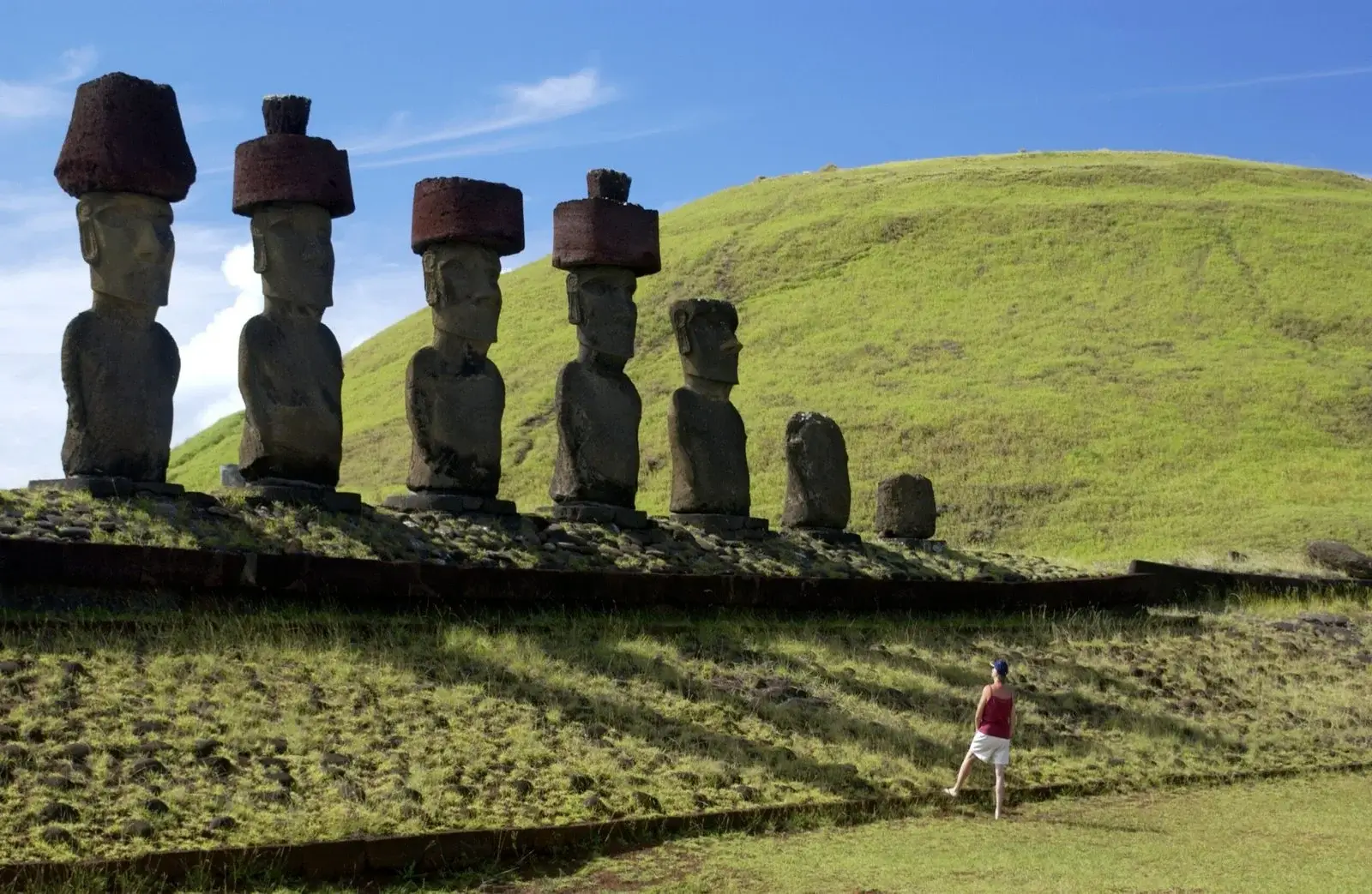
The creation of the famous moais, imposing volcanic stone statues, represents one of the greatest cultural achievements of the Rapa Nui. These sculptures, which reach up to 10 meters in height, were carved to honor their ancestors and connect spiritually with them. Despite the environmental and social challenges they faced, such as deforestation and internal conflicts, the Rapa Nui people managed to preserve much of their identity.
Culture and traditions of the Rapa Nui people
The cultural richness of Rapa Nui is expressed in a variety of traditions transmitted from generation to generation. Myths and legends are pillars of their cosmovision, highlighting stories such as the bird man or Tangata Manu, an ancestral ritual that symbolized leadership and connection with the gods.
Festivities such as the Tapati Rapa Nui, held every February, bring together the entire community in sports competitions, traditional dances and songs. This event not only keeps alive the ancestral customs, but also invites visitors from all over the world to participate in the cultural life of the island.
Daily life in Rapa Nui
Daily life on the island reflects a balance between tradition and modernity. Fishing, an ancestral practice that remains key, is carried out sustainably to protect marine resources. Agriculture, centered on crops such as sweet potatoes, taro and bananas, connects the Rapa Nui to their fertile land.
Tourism has become a vital source of income, allowing local people to share their cultural heritage with the world. However, tourism development is managed with care, seeking to preserve the environment and respect the authenticity of local traditions.
Places of interest in Rapa Nui
Exploring the island means entering an open-air museum. Some of the most emblematic sites include:
- Rapa Nui National Park: A World Heritage Site, this park encompasses most of the island’s archaeological sites, including Ahu Tongariki, the largest ceremonial altar with 15 restored moais.
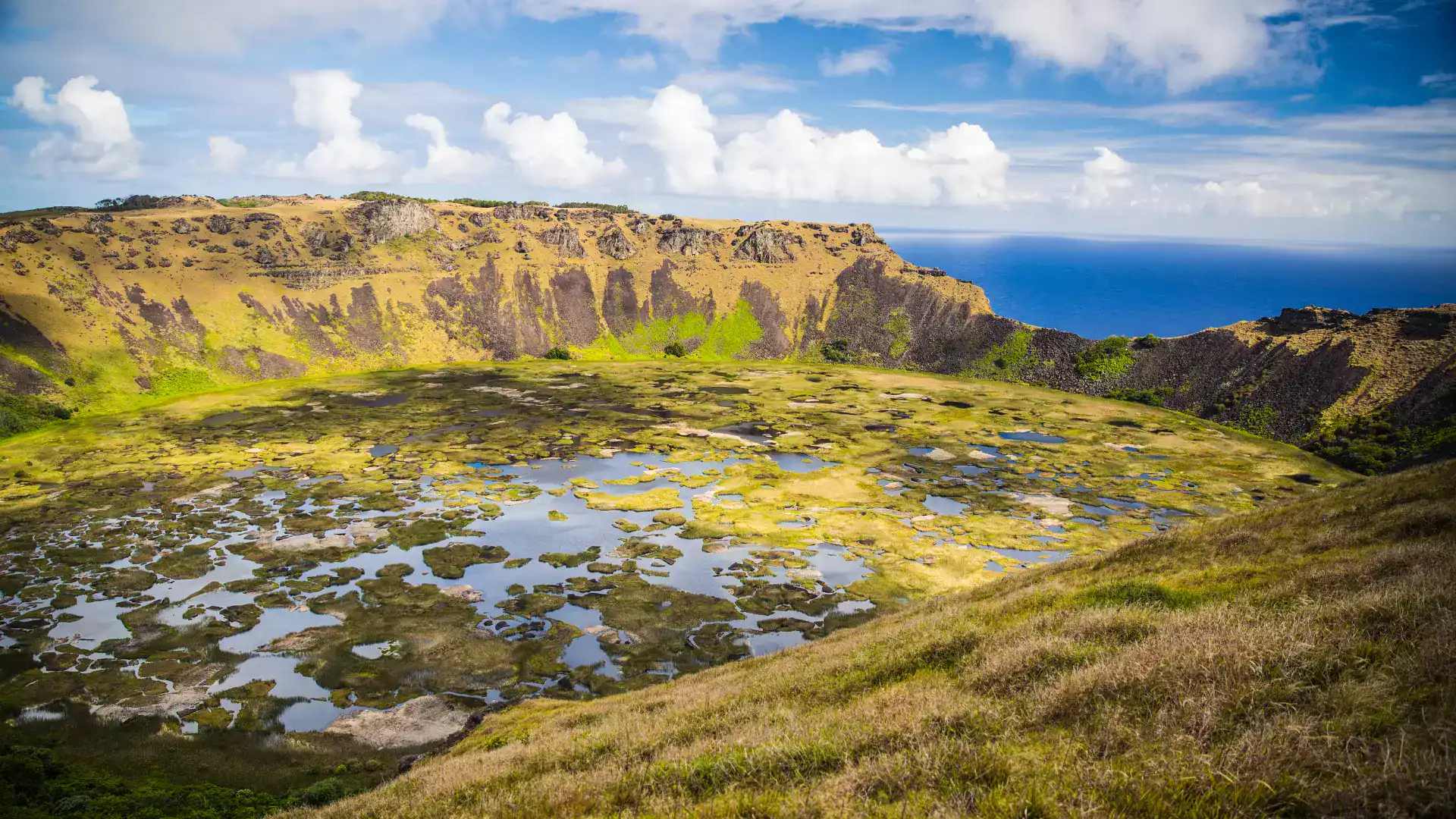
- Orongo: An ancient ceremonial site located on the edge of the Rano Kau crater, famous for its connection to the birdman ritual.
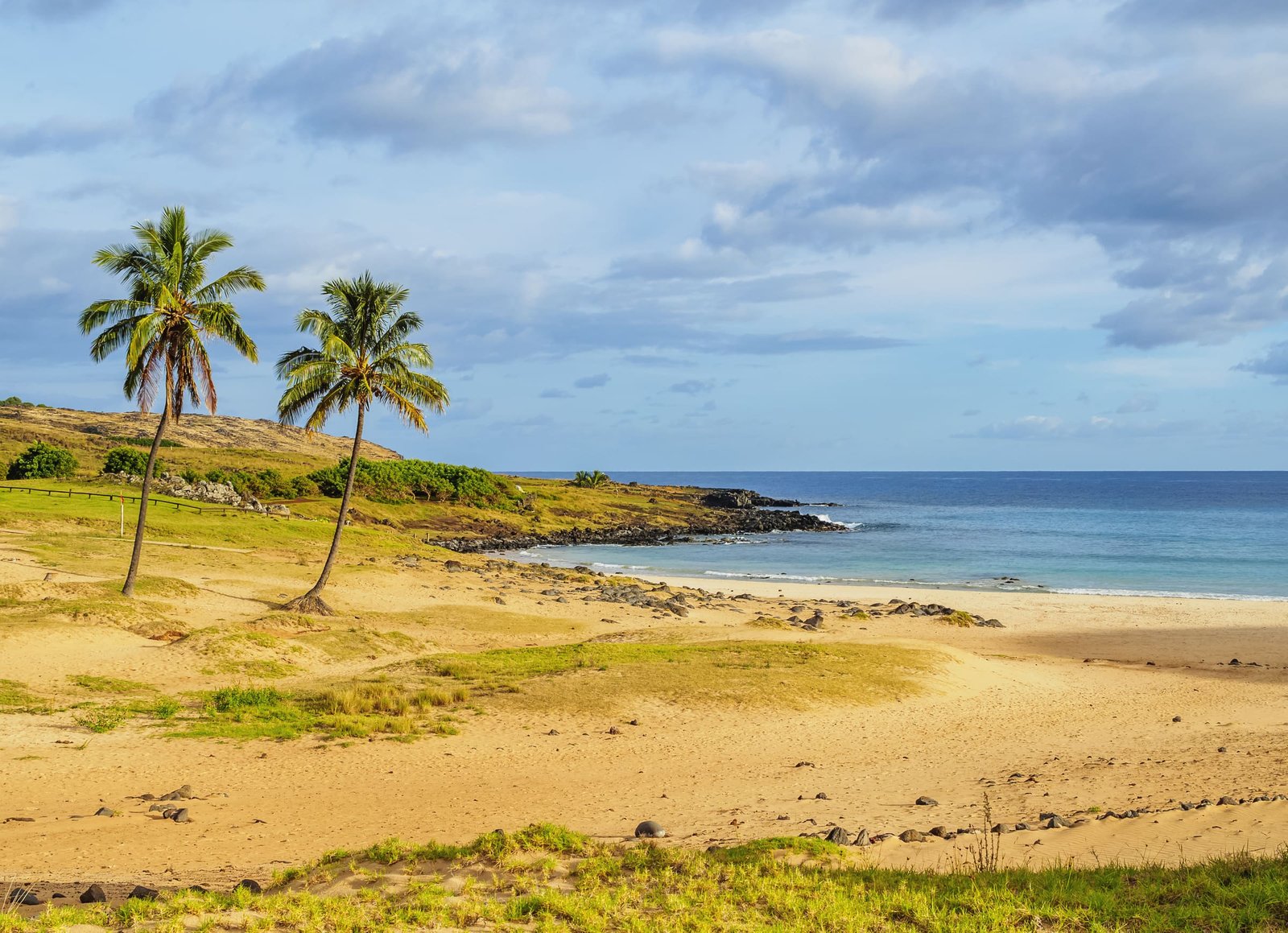
- Anakena Beach: With crystal clear waters and white sands, this beach is also a historical site, as it was one of the arrival points of the first Polynesian settlers.
Every corner of the island offers not only beauty, but also a deep connection to the history and spirit of the Rapa Nui people.
An invitation to discover Rapa Nui
The Rapa Nui people are a living example of cultural resilience. Through their traditions, their stories and their way of life, they teach us how geographic isolation can become an opportunity to strengthen identity and connection to the land.
If you are planning to visit the island, we invite you to review our rooms!