The history of Rapa Nui is one of the most fascinating in the South Pacific. Geographically isolated and rich in traditions, this island has developed a unique cultural identity that is still alive today. Knowing its past allows us to understand not only its monumental moai, but also the cosmovision, social organization and resilience of its people.
The origins of the Rapa Nui people
The first inhabitants of Rapa Nui arrived approximately between the IX and XIII centuries, coming from other Polynesian islands. Expert navigators, these groups settled on the island and gave birth to the Rapa Nui people, developing a culture deeply connected to nature and the insular environment.
From the beginning, Rapa Nui society was organized into clans led by chiefs or ariki, and mana, a spiritual force linked to prestige and authority, was a key element in the social, political and religious life of the people.
The cultural boom and the moai era
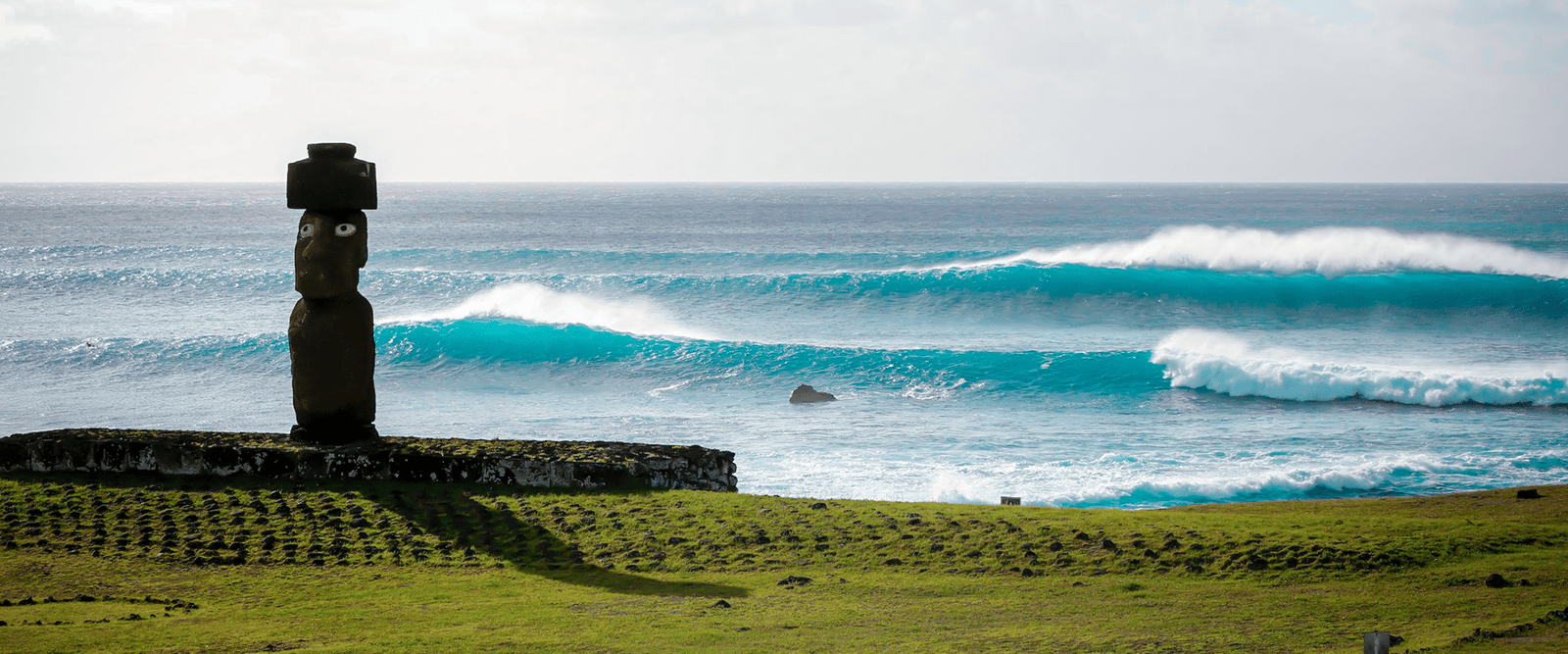
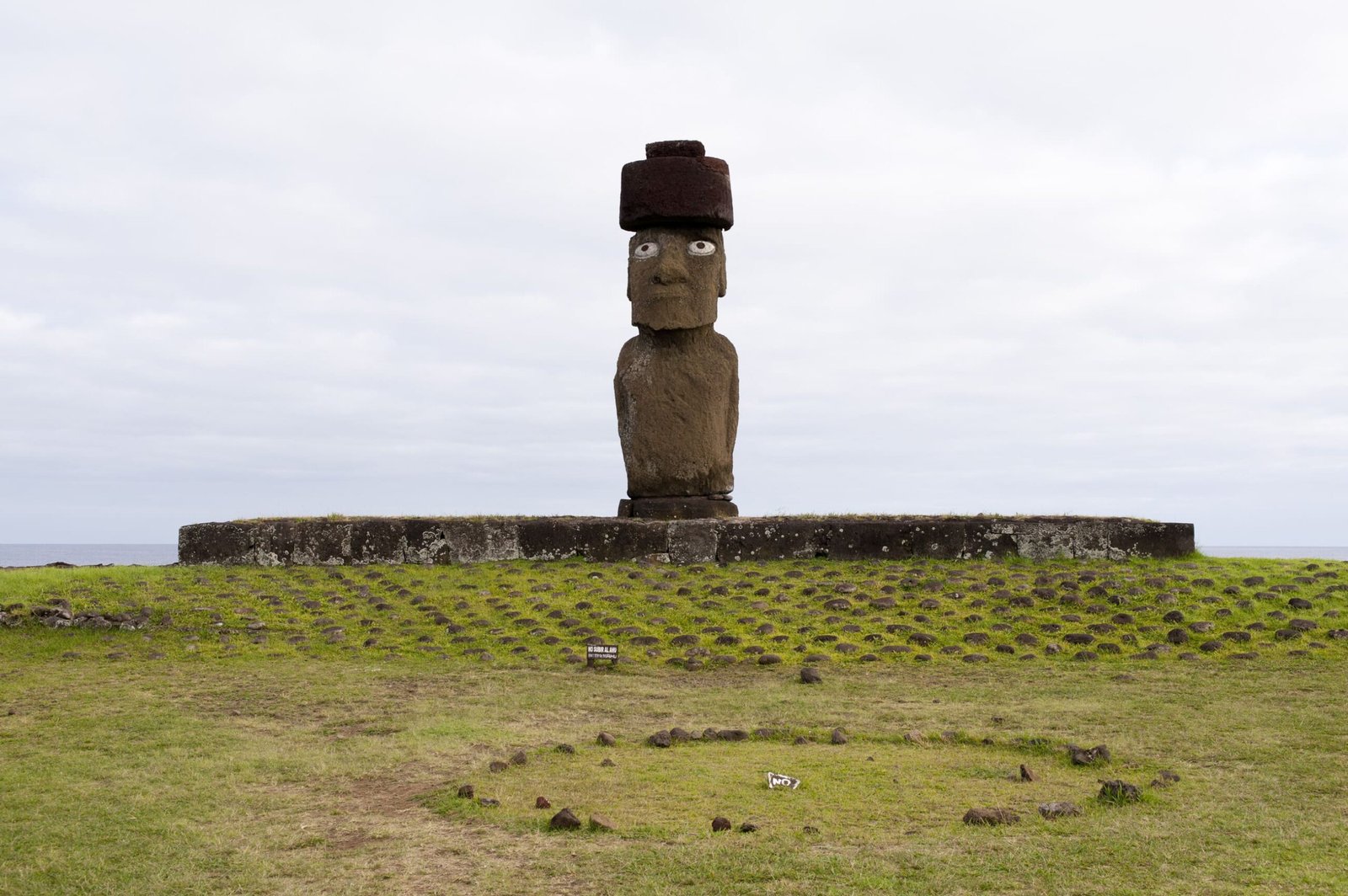
One of the most representative periods in the history of Rapa Nui was the construction of moai, enormous sculptures carved in volcanic stone that represented important ancestors. These figures were installed on ceremonial platforms called ahu, generally oriented towards the villages as a symbol of protection and continuity of the lineage.
This period reflects a high level of social organization, advanced technical knowledge and a deep symbolic charge. The moai were not simple sculptures, but part of a cultural system that articulated power, memory and spirituality.
Crisis, social changes and new beliefs
Over time, pressure on natural resources and internal conflicts caused a profound transformation in Rapa Nui society. In this context, the cult of the Birdman (Tangata Manu) emerged, a religious and political system that progressively displaced the centrality of the moai.
This change implied new forms of legitimization of power, different rituals and a reorganization of the social order.
To better understand this stage of history, you can join one of the guided cultural tours in Rapa Nui, which allow you to visit the main ceremonial sites with historical explanation and local vision.
Contact with the West and its consequences
Beginning in the 18th century, the arrival of European explorers marked a turning point in the history of Rapa Nui. Diseases, episodes of slavery and the loss of autonomy severely impacted the population, drastically reducing their numbers and jeopardizing cultural continuity.
This period also saw the removal of heritage objects and the imposition of external models of organization, the consequences of which are still part of the historical and cultural debate.
Rapa Nui culture today
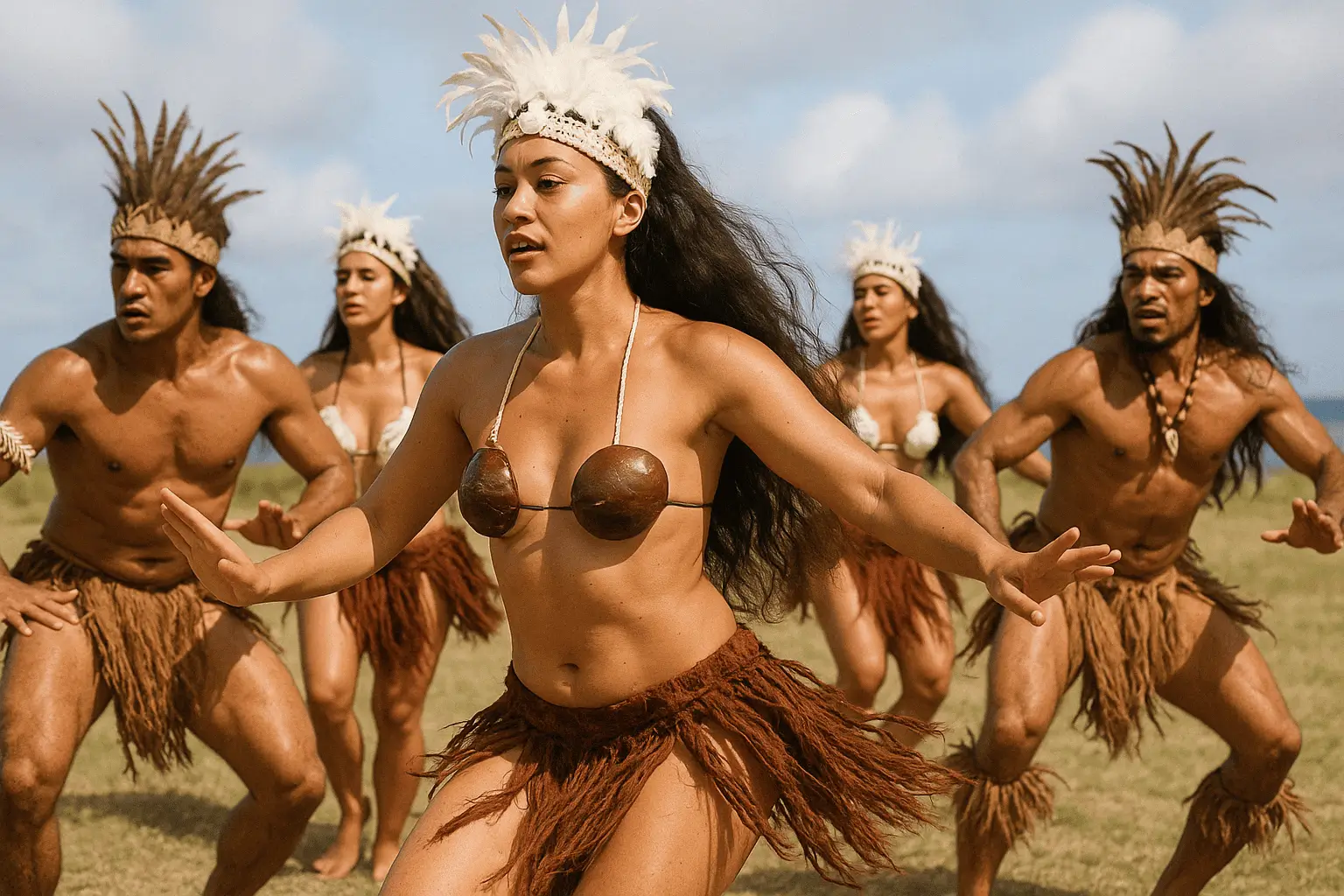
Today, the history of Rapa Nui is still alive through its traditions, language, dances and community celebrations. Events such as the Tapati Rapa Nui reflect the permanent effort to preserve the cultural identity and transmit it to new generations, maintaining an active link with the past.
The island currently combines ancestral tradition, modern life and a growing interest in cultural and conscious tourism.
A history that continues to be written
The history of Rapa Nui is not only a story of the past, but an identity in constant construction. Understanding its origins, its cultural boom, its crises and its preservation process allows us to value the island from a deeper and more respectful perspective.
If you are planning your visit and you want to live Rapa Nui with time and tranquility, we invite you to visit our rooms rooms and to explore the different experiences and tours that allow you to discover the island from its history and culture.