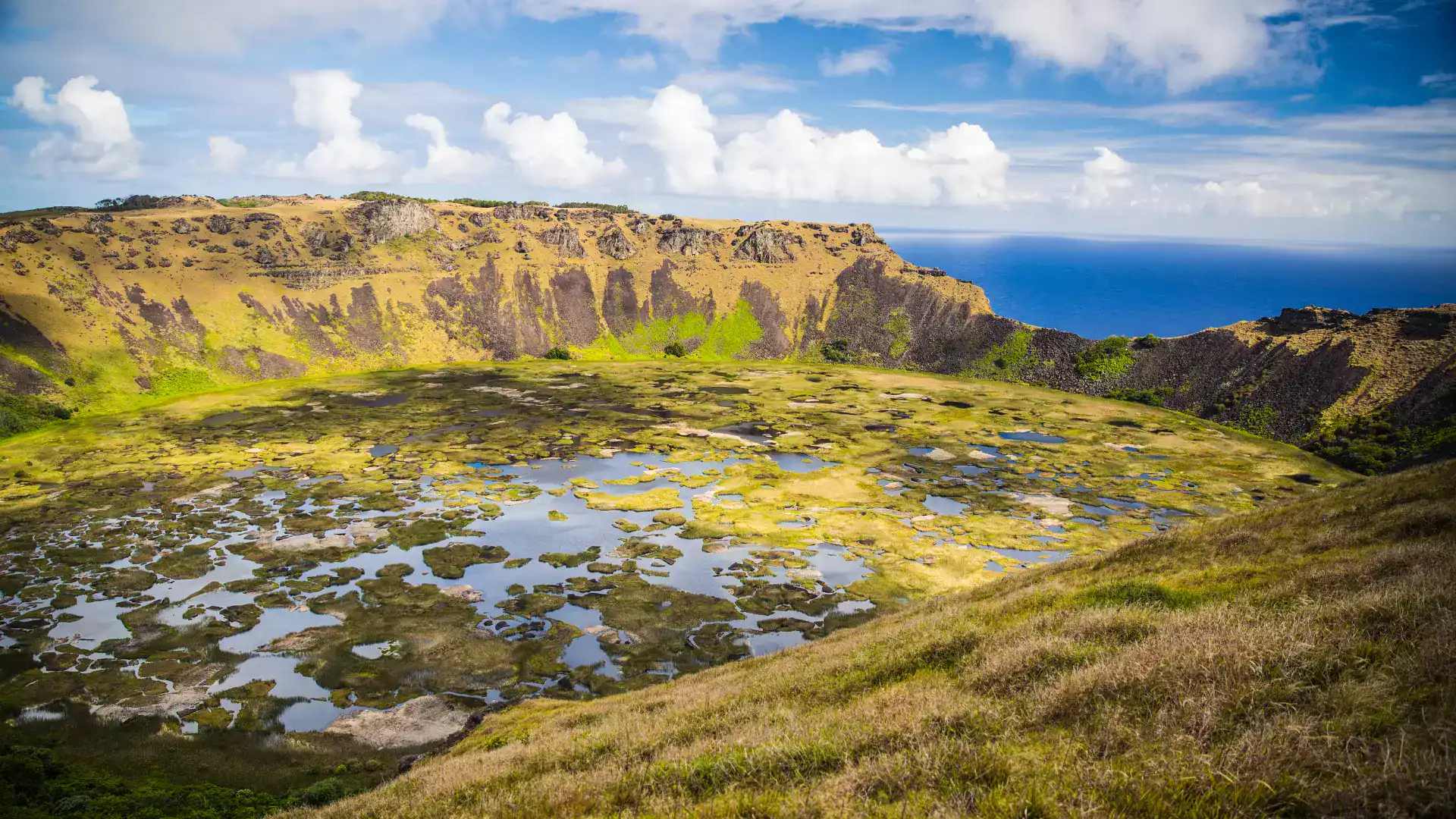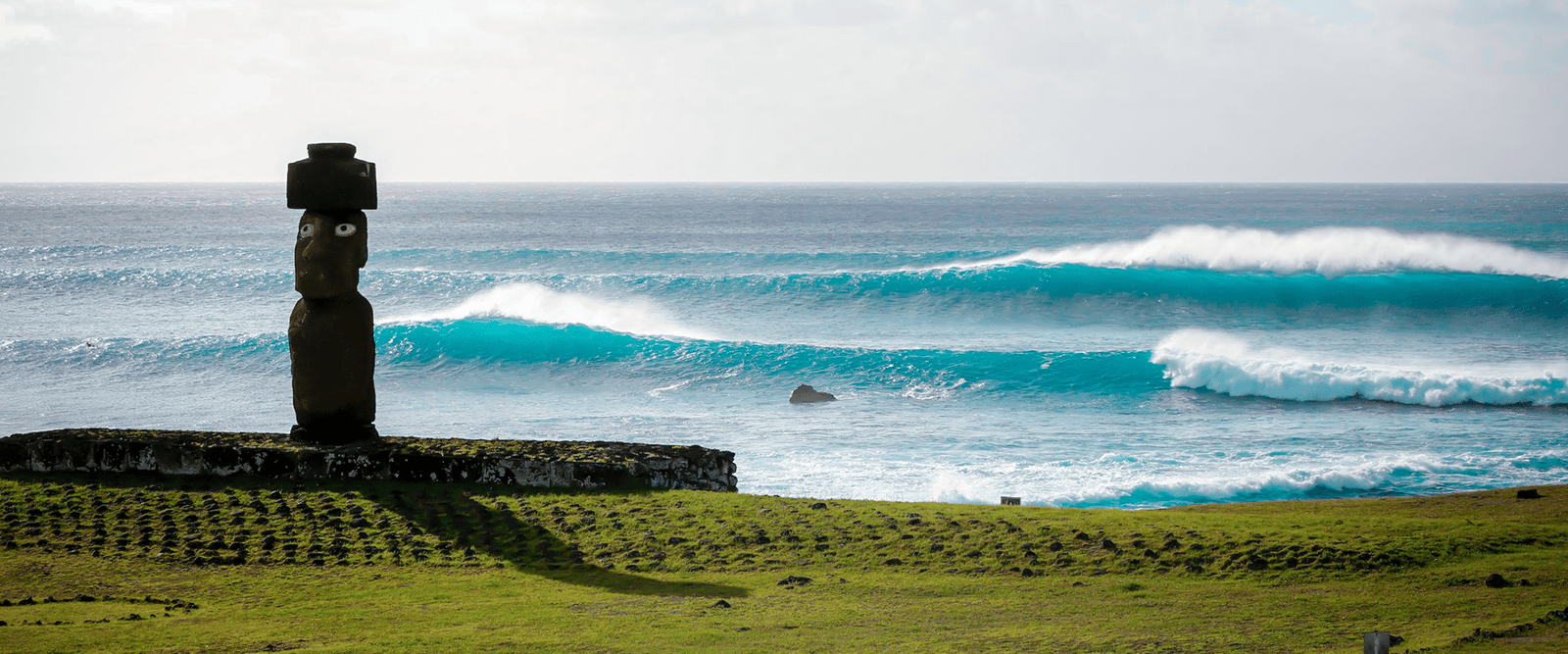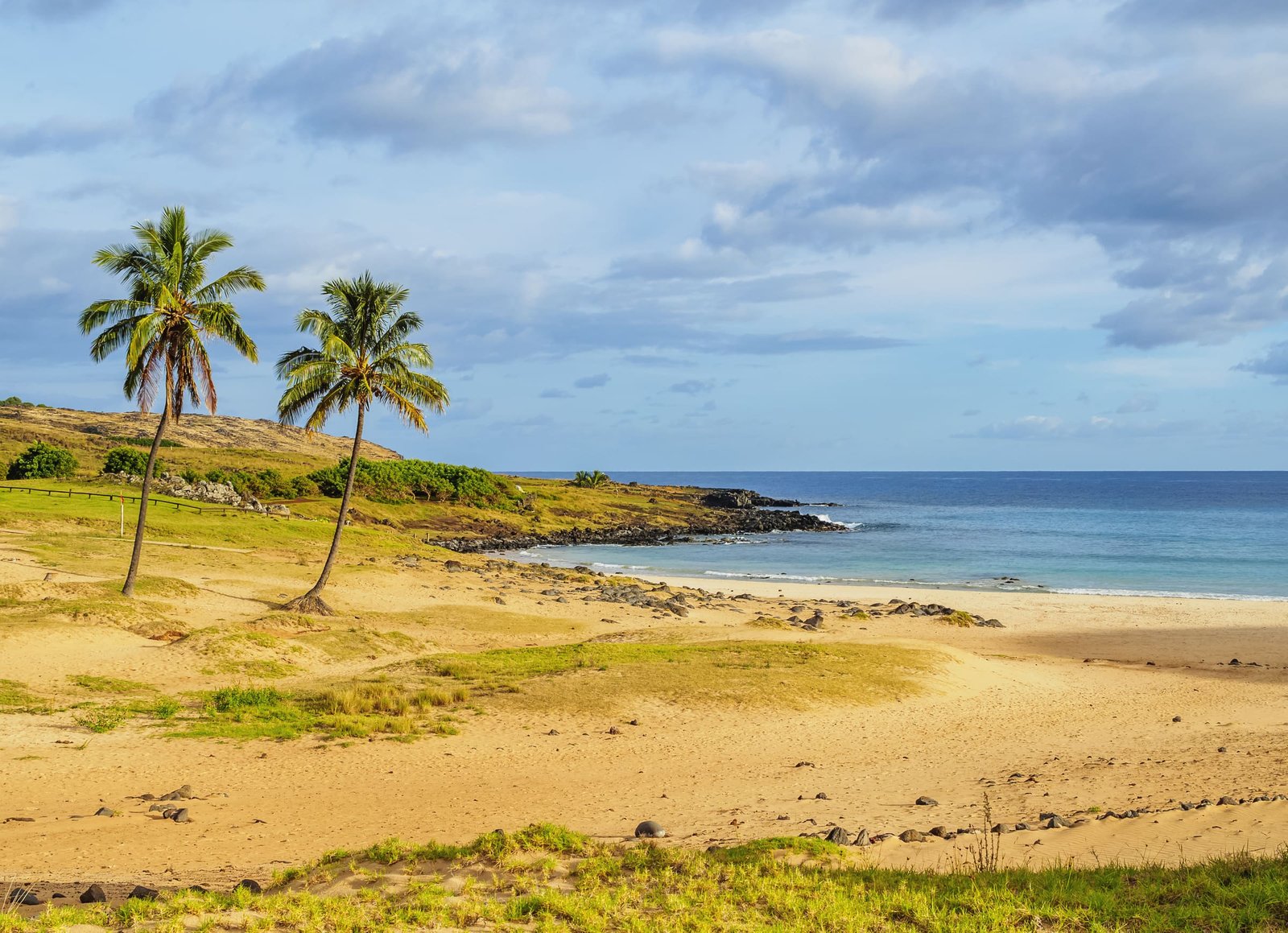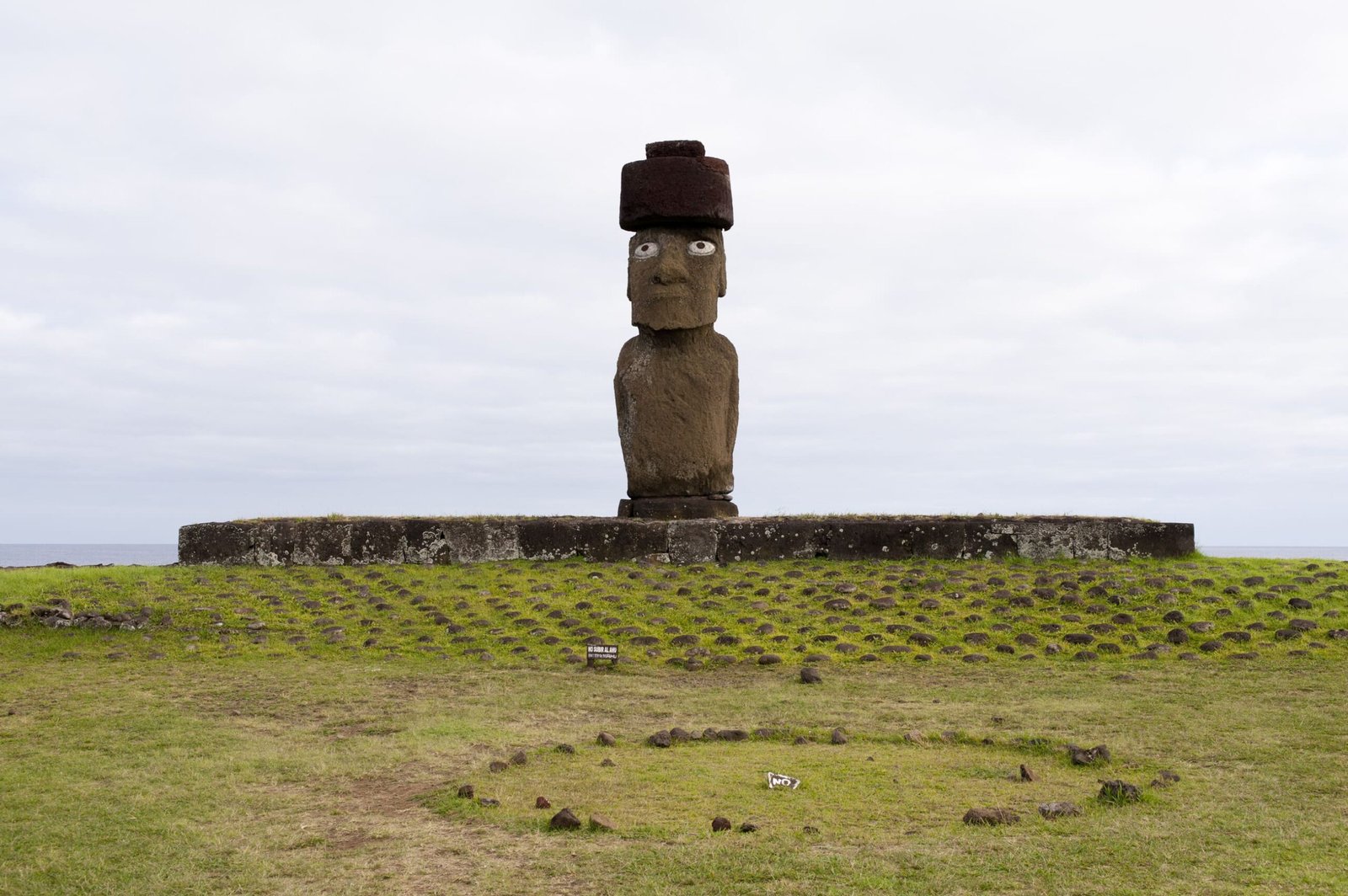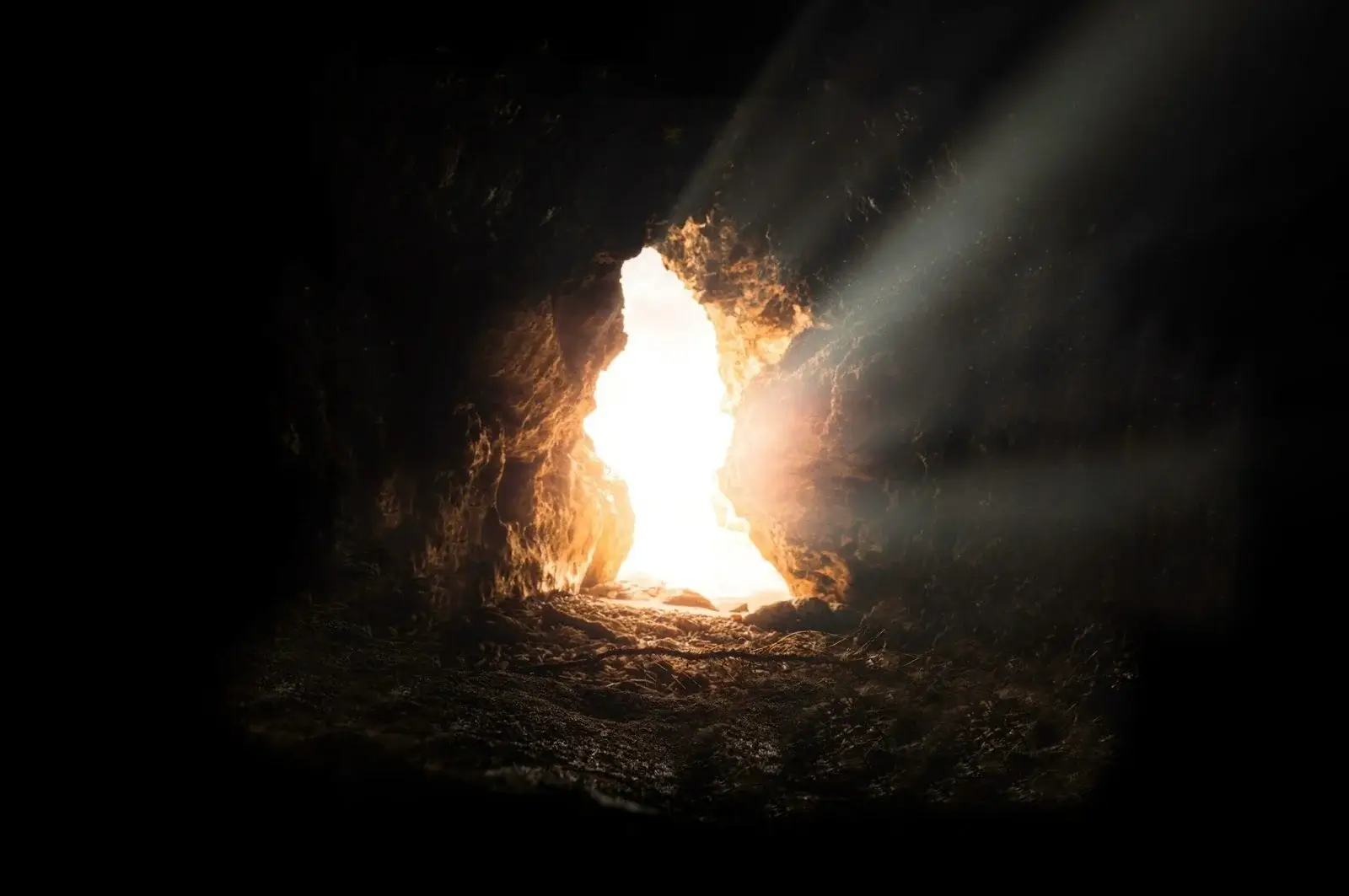
Rapa Nui, also known as Easter Island, not only stands out for its moai and volcanic landscapes, but also for its network of subway caves formed by ancient lava flows. These caves offer a unique glimpse into the island’s geology, history and spirituality. Here are the most important caves to include in your visit.
Ana Te Pahu: The cave of bananas
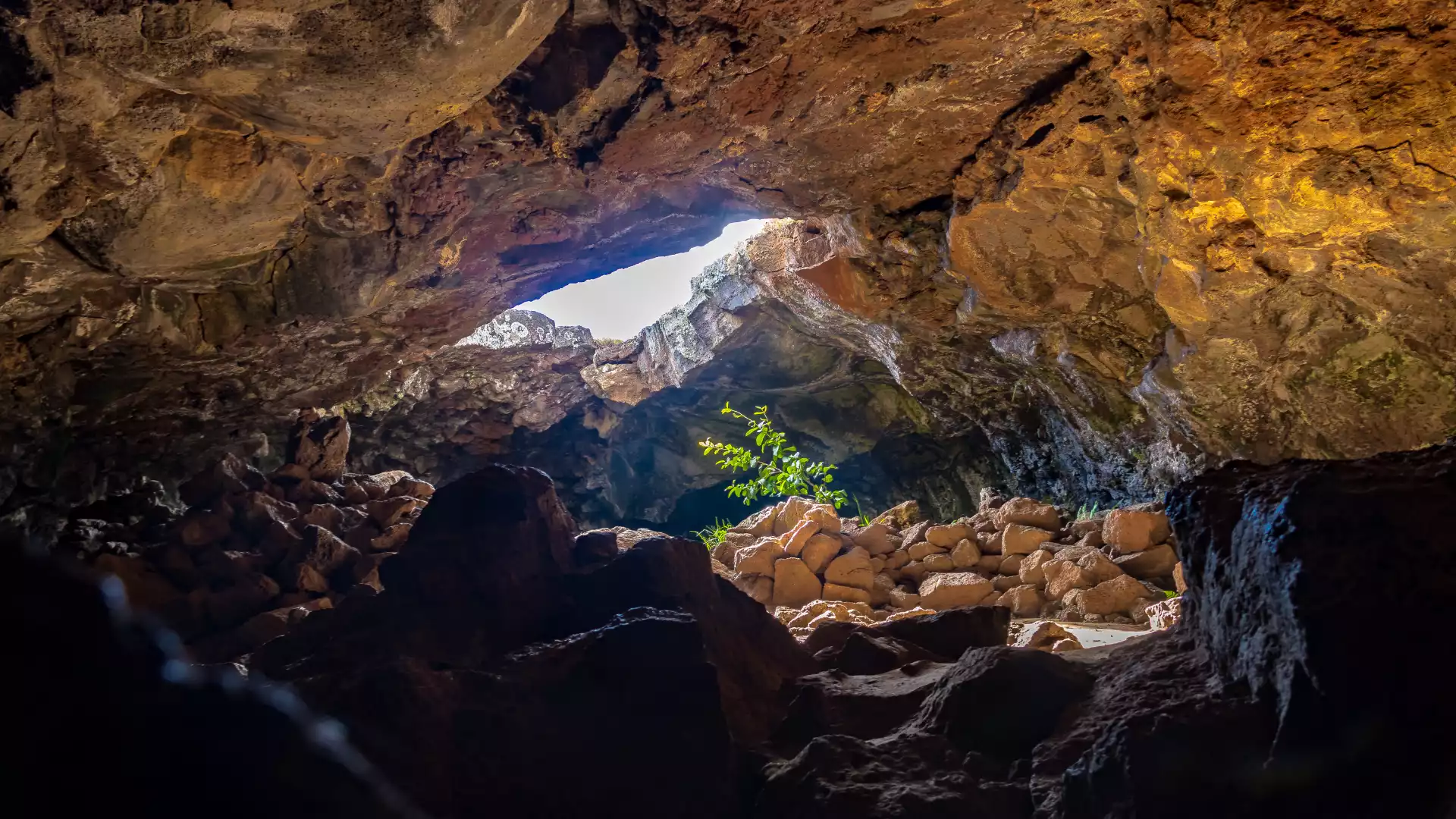
We had already mentioned it in previous notes, but we could not leave it out. Located in the foothills of Maunga Terevaka, Ana Te Pahu is the largest cave in Rapa Nui, with more than 7 kilometers of lava tunnels. Its formation dates back to eruptions of the Maunga Hiva Hiva volcano.
Historical uses of the cave:
- Housing and shelter: Remains of stone ovens(umu pae) are evidence of its use as a living space.
- Natural water reservoir: It was key during periods of conflict.
- Subway agriculture: The openings allow the cultivation of bananas, vines and tubers.
Recommendations for the visit:
- Access is through a natural opening with stone steps.
- Carrying a flashlight and footwear with good traction is essential.
- Visitors can walk through tunnels and observe the vegetation growing within the volcanic system.
Ana Kakenga: The cave of the two windows
This cave is located on a cliff overlooking the ocean. It is recognized for having two natural openings that frame the seascape, which gives it its name.
- The entrance is narrow and requires a crouching position.
- When you reach the end, you access a natural viewpoint with an unparalleled panoramic view of the Pacific.
Ana Te Pora: A strategic refuge on the northwest coast
Ana Te Pora is part of the cave system of the Roiho region. Historically it was used as:
- Shelter from external threats.
- Living space with access to key natural resources.
It is a medium-sized cave, ideal for those who wish to explore less crowded places.
Ana Kai Tangata: The Cave of Men
Located near Hanga Roa, Ana Kai Tangata is known for its cave paintings with representations of the bird-man and other ritual symbols.
- The figures are made with natural pigments on volcanic rock.
- It is an essential stop for those seeking to understand Rapa Nui art and spirituality.
Tips for visiting the caves of Rapa Nui
Before venturing out, keep in mind these recommendations for a safe and respectful experience:
- Carry a powerful flashlight or headlamp.
- Wear shoes with good traction.
- Don’t explore alone: Always visit in company.
- Respect the environment: Do not leave garbage, do not touch formations or make inscriptions.
How to get to the caves?
Many of the caves are close to Hanga Roa and can be accessed:
- Walking or biking from the center.
- By private vehicle or rental.
- Through guided toursoffering archaeological and cultural context.
Check the official tourist map of Rapa Nui to locate each cave. The routes are well marked and many are within the National Park.
The caves of Rapa Nui are much more than geological formations: they are living spaces of history, culture and spirituality. From the grandeur of Ana Te Pahu to the unforgettable views of Ana Kakenga, each one offers a different experience that connects the visitor with the deepest essence of the island.
Include these caves in your itinerary and discover a Rapa Nui that few get to know.