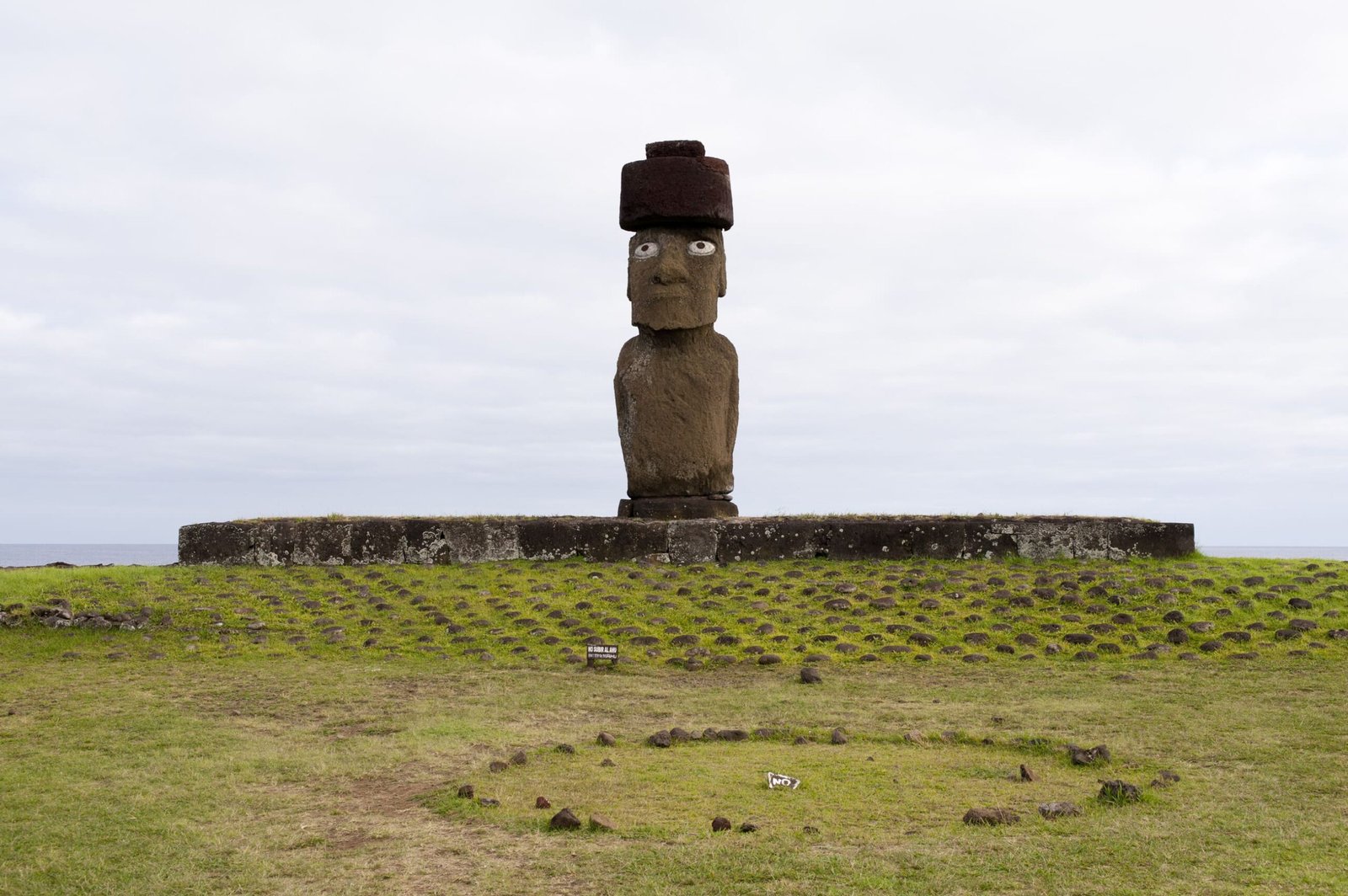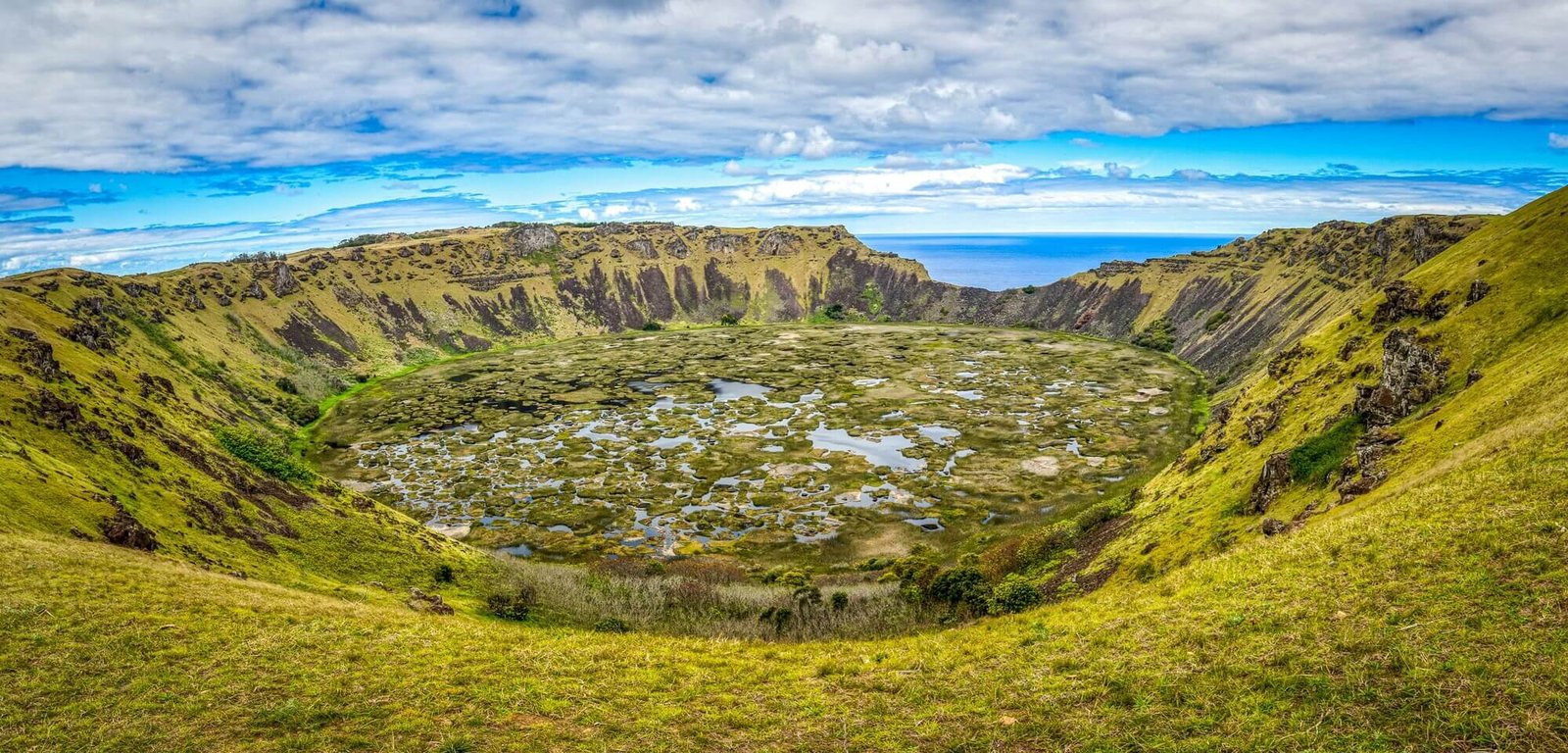
The Rapa Nui National Park is one of the most important cultural and natural areas of the island. Most of the main archaeological sites are located within this protected territory, declared a World Heritage Site by UNESCO. Visiting it does not only imply visiting unique landscapes, but also understanding and respecting a living cultural heritage.
What is Rapa Nui National Park?
The Rapa Nui National Park covers about 40% of the island’s surface and protects a large number of ceremonial sites, archaeological structures and natural landscapes. Its administration seeks to preserve both the material heritage and the cultural value of the territory for future generations.
Within the park are:
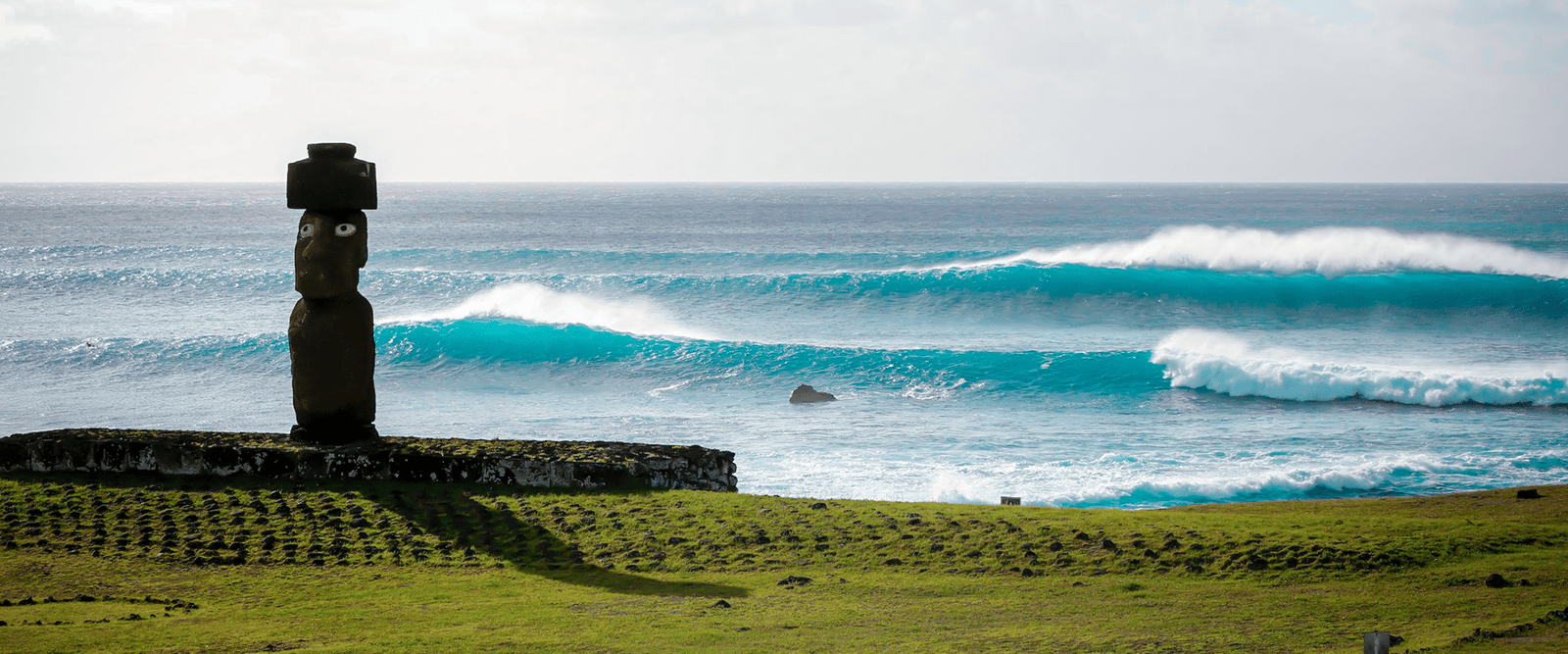
- Ceremonial platforms(ahu)
- Old villages
- Quarries and volcanoes
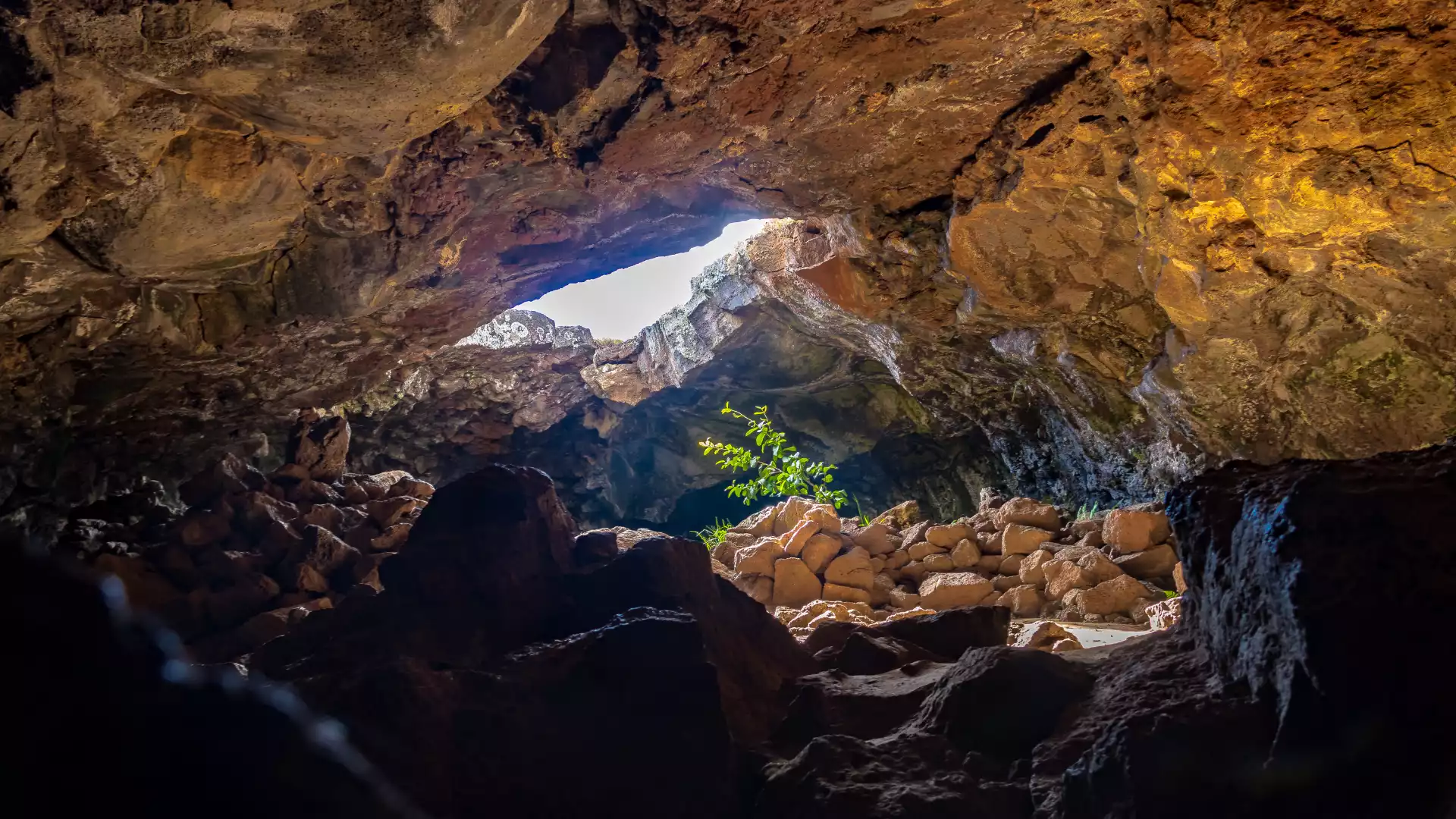
- Ancestral caves and trails
Main sites you can visit
Touring the park allows you to visit some of the most emblematic places of Rapa Nui. Among the most outstanding are:
- Ahu Tongariki, the largest moai ensemble on the island
- Rano Raraku, quarry where the moai were carved
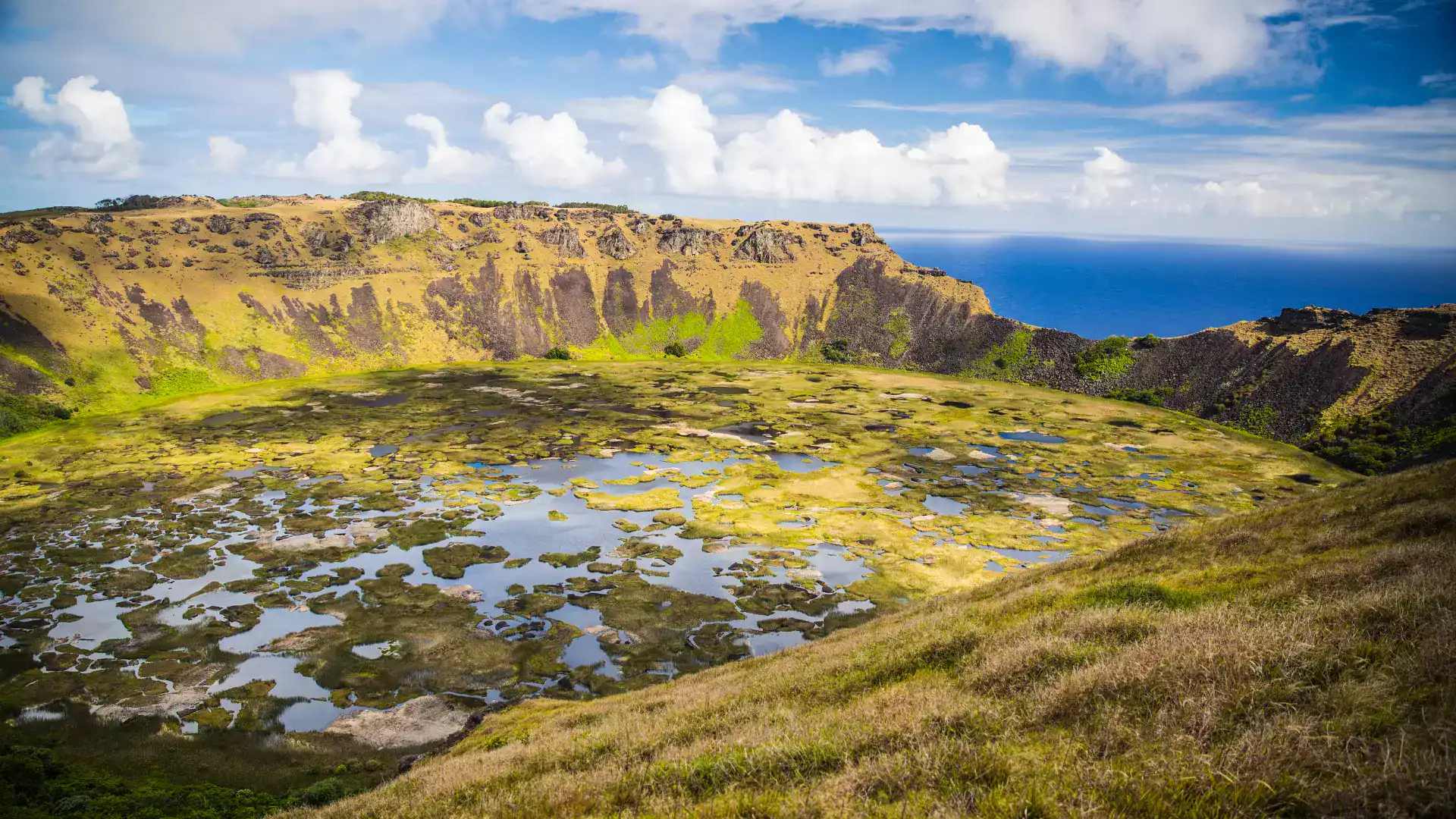
- Rano Kau and Orongo, ceremonial center of the Birdman
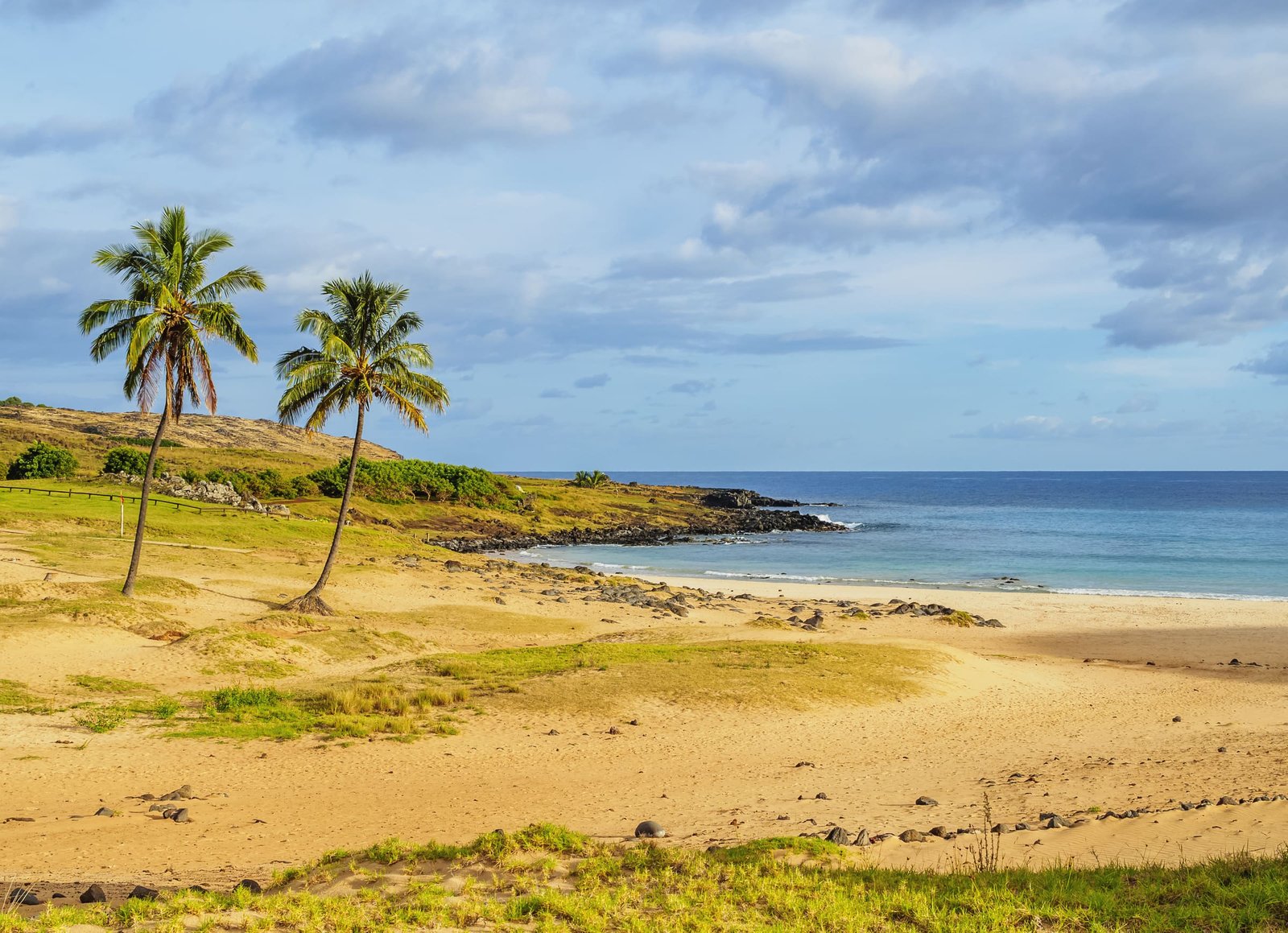
- Anakena, one of the most recognized beaches in the world.
Each site offers a different perspective of the history, social organization and cosmovision of the Rapa Nui people.
National Park rules and regulations
To protect the cultural heritage, Rapa Nui National Park has strict rules that all visitors must respect. These rules seek to avoid the deterioration of archaeological sites and preserve their cultural significance.
Some of the main standards are:
- Do not touch or climb on the moai
- Respect marked trails
- Do not extract stones, natural or cultural remains
- Follow the indications of guides and signage
Respect for these rules is essential to preserve the island and its history.
Is it mandatory to tour the park with a guide?
In many sectors of the Rapa Nui National Park, the entrance must be accompanied by an authorized guide, especially in sites of high archaeological value. This allows not only to comply with the regulations, but also to understand the historical and cultural context of each site.
If you are interested in visiting these spaces in greater depth, an excellent option is to join guided cultural tours in Rapa Nui, where the sites are explained from a local and respectful point of view.
Tips for visiting Rapa Nui National Park
To fully enjoy the experience, it is advisable to take into account some practical tips:
- Bring water and sun protection
- Wear comfortable walking shoes
- Respect the times and rhythms of the place.
- Inform yourself in advance about accesses and schedules
A leisurely stroll through the park allows you to better connect with the environment and appreciate its cultural significance.
A protected and living territory
Rapa Nui National Park is not only a set of archaeological sites, but a living territory, full of history and meaning for the local community. Its protection is key to maintaining the cultural identity of the island and ensuring that future generations can get to know it.
If you are planning your visit and you want to visit the island with peace of mind, we invite you to visit our roomsideal for resting after each day, or to contact us to contact us at if you have any doubts about how to organize your stay.
To continue discovering the island from a cultural and visual point of view, you can also visit the Instagram of Hotel Hare Nuawhere we share landscapes and moments of everyday life in Rapa Nui.