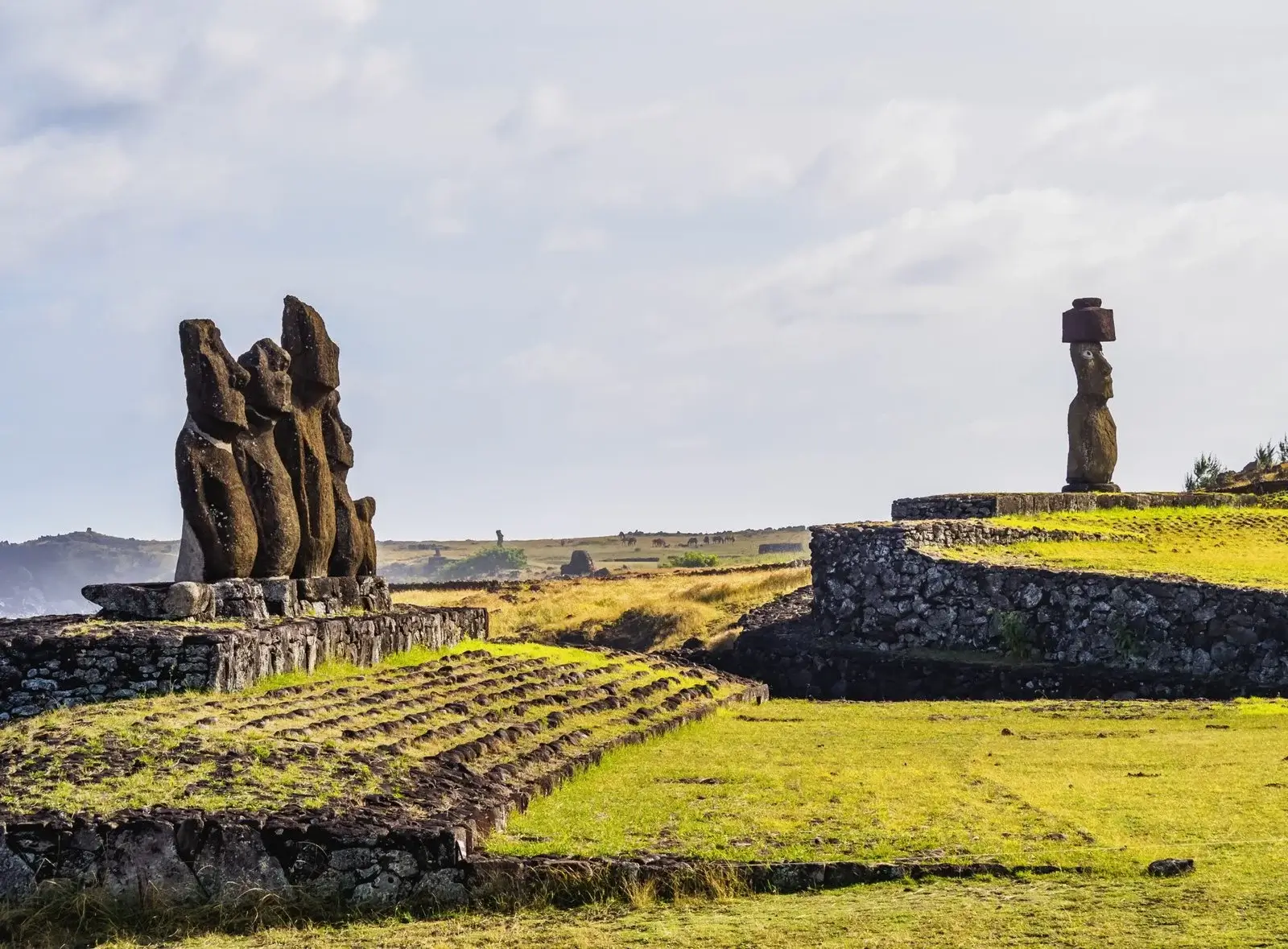
Rapa Nui tattoos are much more than just designs on the skin; they are an expression of identity, a link to the ancestors and a symbol of the rich cultural heritage of Easter Island. In this blog, we will take you on a journey through the history, meanings and designs that make this ancestral art a living tradition.
Origin of rapa nui tattoos
The art of tattooing in Rapa Nui has its roots in ancient Polynesian traditions. The first inhabitants of the island brought with them this practice, which was considered sacred and loaded with symbolism. More than decoration, tattoos represented personal stories, social status, strength and spiritual connection. Each stroke on the skin was a unique narrative, a reflection of the wearer’s life and beliefs.
Meaning of rapa nui tattoos
Each rapa nui tattoo has a deep meaning that transcends aesthetics. Some of the most common meanings include:
- Connection with ancestors: Tattoos served as a bridge between the present and past generations, honoring ancestors and preserving their legacy.
- Spiritual protection: Many designs were intended to provide protection against evil forces or to attract good fortune.
- Strength and courage: The tattoos were a way of showing courage, as the process was painful and required endurance.
- Personal achievements: Some designs narrated important feats, such as victories in battles or outstanding skills.
The tattoos also honored nature, the gods and the elements that surrounded the inhabitants of the island, consolidating their relationship with the environment.
Common rapa nui tattoo designs
Rapa Nui designs are a reflection of their rich mythology and deep respect for nature. Among the most common motifs are:
- Geometric patterns: Intricate and repetitive, these patterns symbolize connection with the universe and harmony.
- Anthropomorphic figures: Stylized representations of human or divine figures, often inspired by moais and other deities.
- Fauna symbols: Birds, fish and turtles, evoking the link with the ocean and animal life.
- Natural elements: Designs inspired by the waves, the sun and the stars, which connect with the Polynesian cosmovision.
Each tattoo was personalized to reflect the history and aspirations of the individual, making each piece unique.
Traditional tattooing process
In ancient times, the tattooing process in Rapa Nui was a rite in itself. The artists used tools made of bone or wood, with natural inks obtained from plants and soot. This method, although painful and slow, ensured that each line was imbued with meaning. The act of tattooing was a moment of introspection and resilience, symbolizing a commitment to tradition and spirit.
Rapa Nui tattoos today
Today, Rapa Nui tattoos have transcended time, combining the traditional with the contemporary. Local artists and visitors interested in Rapa Nui culture seek designs that respect the original styles, but with modern touches. Contemporary tools are used to ensure safety and comfort, without losing the spiritual essence of the ancestral art.
These tattoos are not only popular among the local inhabitants, but also among those who visit the island, attracted by their symbolism and the opportunity to take a piece of this unique culture with them.
A window to the past and present
Rapa Nui tattoos are much more than ink on the skin; they are a living manifestation of the cultural heritage of Easter Island. Through their meanings, designs and practices, they allow us to connect with the history, nature and spirit of this fascinating people.
If you are planning to visit the island, we invite you to review our rooms!