The Rapa Nui language is much more than just a means of communication; it is a cultural treasure that encapsulates the rich history and identity of the Rapa Nui people, who inhabit the enigmatic Easter Island. In this article, we invite you to immerse yourself in the beauty and uniqueness of the Rapa Nui language and discover the crucial role it plays in the preservation of the island’s culture.
The Rapa Nui language is the native language of the Rapa Nui people and is spoken by the majority of the island’s inhabitants. With Polynesian roots, Rapa Nui is a unique language that has evolved over centuries of history and contact with other cultures. Today, the Rapa Nui language remains an integral part of everyday life on Easter Island, used in family, social and religious contexts.
The Rapa Nui language, also known as Easter Islander, is a Polynesian language spoken on Easter Island. This language is fascinating both for its origin and for its distinctive characteristics, especially in terms of its sonority and vocabulary.
It is characterized by its distinctive phonetics and rich variety of words and expressions. With soft and melodic sounds, Rapa Nui is a delight to the ears and a window into the culture of the Rapa Nui people. It is also full of unique terms and concepts that reflect the special relationship the islanders have with their natural environment and ancestral history.
Here is a breakdown of its main features:
- Vowels: Rapa Nui has the five basic vowels similar to Spanish: a, e, i, o, u. The pronunciation of these vowels tends to be clear and open, very similar to how they are pronounced in other Polynesian languages.
- Consonants: Compared to Spanish, Rapa Nui has a more limited set of consonants. Some common consonants include p, t, k, m, n, ŋ (as in ‘sing’ in English), v, r and h. You will notice the absence of consonants such as b, d, g and f, which are common in many Indo-European languages.
- Elision: Sound elision is common in Rapa Nui, especially with final consonants and in intervocalic positions. This means that certain sounds may disappear in rapid or casual speech, affecting the fluency of the language.
Examples of Words and Phrases
- Maururu: Thank you.
- Riva-riva: Well, good.
- Mana: Power, spirituality.
- Ariki: Leader, boss.
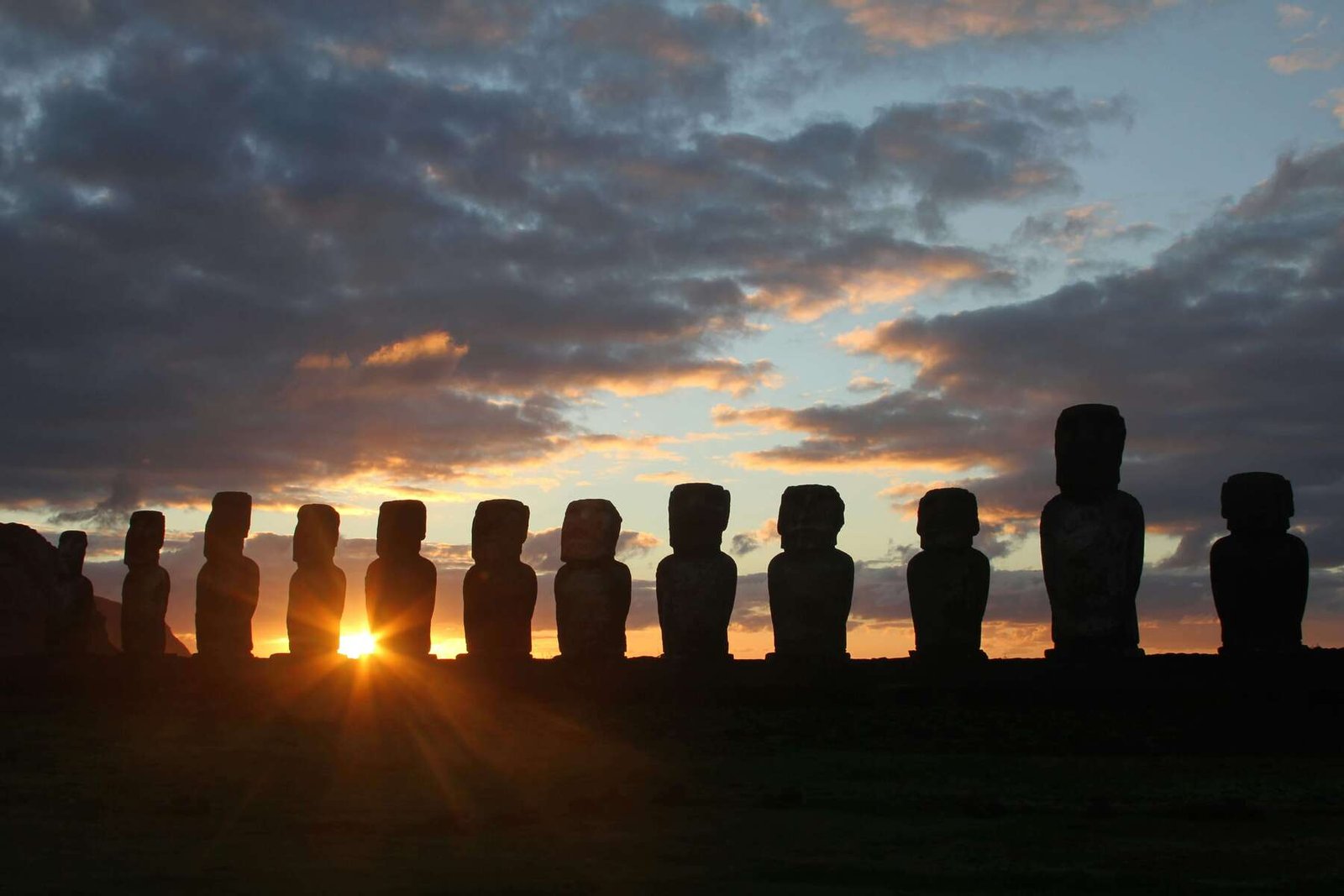
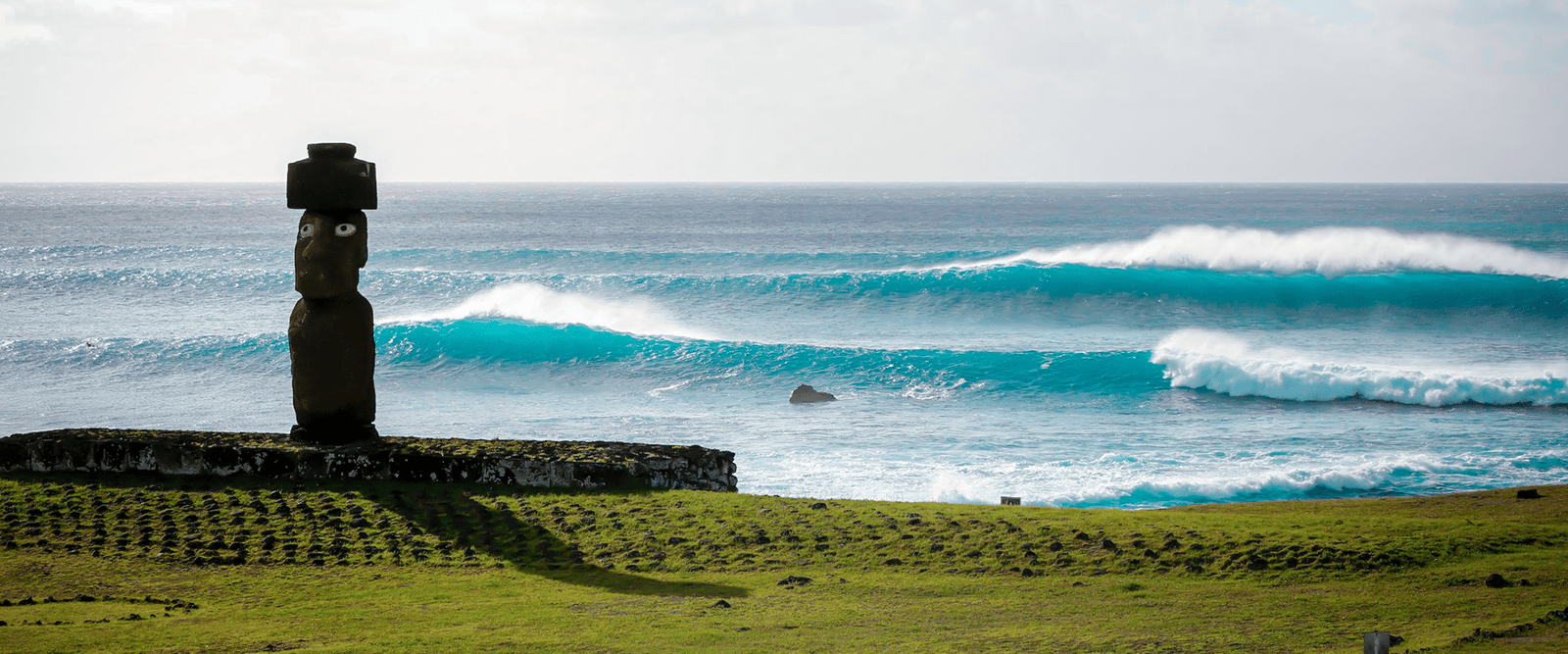
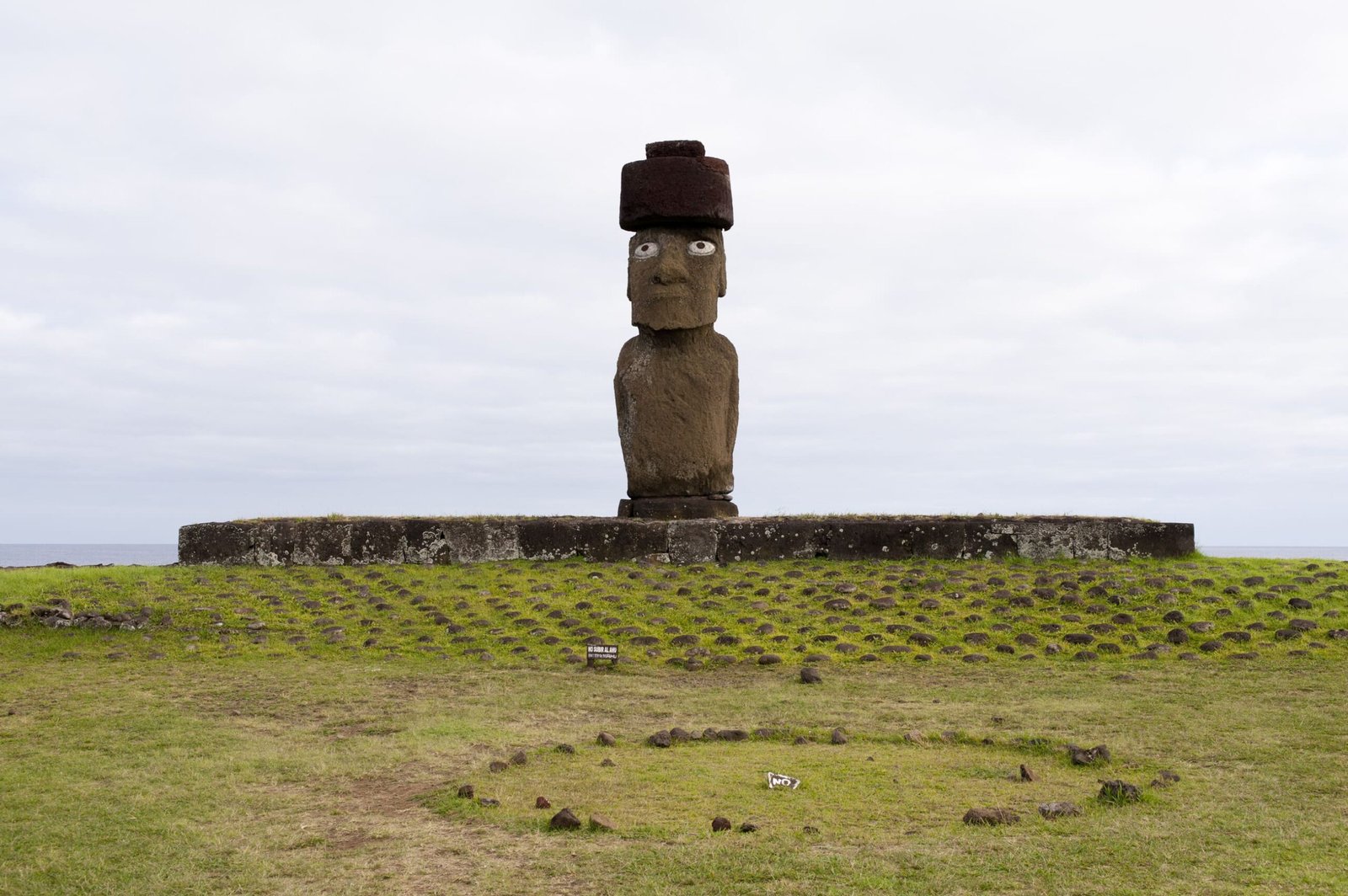
- Moai: The famous statues of Easter Island.
Rapa Nui is considered a vulnerable language. Although it is still taught and spoken on Easter Island, the number of fluent speakers is relatively low, and the language faces the dominant influence of Spanish.
The preservation of the Rapa Nui language is a priority for the Easter Islanders and local authorities. Through educational programs, cultural activities and linguistic revitalization efforts, they work hard to ensure that the Rapa Nui language remains an integral part of life on Easter Island. In addition, the use of Rapa Nui in tourism is encouraged and classes and workshops are offered for those interested in learning the language.
In short, the language of Easter Island is much more than words and sounds; it is a symbol of the identity and culture of the Rapa Nui people. By visiting Easter Island, you will have the opportunity to immerse yourself in the fascinating linguistic richness of the island and connect with its inhabitants through the Rapa Nui language. Get ready to live an unforgettable linguistic experience in the enigmatic Easter Island!
If you want to know more about the island, and you are preparing a trip, do not hesitate to contact us and follow us on Instagram.